I hesitate to give any advice regarding a stargazing experience in New Zealand since on both occasions when I’ve taken astronomer groups to view the beauty of the southern skies, I’ve been thwarted by a hundred per cent cloud cover.
But not every one is unlucky as I have been. As a country, New Zealand offers some of the most breathtaking stargazing experiences in the world - you just need to plan around the weather.
This is why I’ve put together a list of the best locations in New Zealand to enjoy stargazing. In some places you can enjoy the assistance of guides, often from local universities, who will guide you through the features of the night sky with the aid of powerful telescopes.
I've also answered some of the most commonly asked questions around stargazing experiences in New Zealand, to help you decide when and where to head.
Where is the best skygazing in New Zealand?
New Zealand has a lot of great spots for stargazing, and you'll often find that remote spots in any part of the country will offer wonderful views of the night sky. However, here are some of the best dedicated spots.
Lake Tekapo & Mt John
Home to the Dark Sky Project and high-altitude telescope tours atop Mount John. This is probably the best location in New Zealand since it is home to the world’s largest International Dark Sky Reserve. It’s a late start to meet up with your fellow stargazers at the Dark Sky Project Base in Tekapo, where you’ll be briefed by the staff and allocated cold-weather jackets to keep you warm at the observatories on the top of Mount John. Then you’re transported by Land Rover up the side of the mountain on a steep, winding mountain road, which takes about fifteen minutes, and then you’ll meet some of the guides who will support your observations.
You’ll start by looking at the stars with the naked eye before moving on to explore the sky through one of the observatory’s high-powered telescopes. This includes the impressive 16-inch telescope in the private observatory. If you have a DSLR camera, talk to the guides about the way to get the best results with photographs of the sky. And if you need sustenance whilst in pursuit of those stars, then there’s mugs of hot chocolate on hand.
Every night reveals something new, and hopefully you’ll get sight of star clusters, constellations and maybe some far-off planets.
After two hours, head back down the mountain and into that cosy bed with stars in your eyes!
Alternative Stargazing
So, what happens if you do get bad weather or heavy cloud cover? Well, the Dark Sky Operators have got that situation in hand and offer a virtual stargazing experience. Using real-time astronomical data, the team simulate the exact night sky you would have seen on your tour, including visible planets, constellations and deep sky objects. As part of the experience, you’ll journey through specific indoor places including:
The Brashear Telescope, where you’ll learn about its history and design
The Pond Room, where light, darkness and stories about our place in the cosmos create a reflective experience.
The Model and Stars room, which illustrates the solar system and the wider universe.
These spaces deepen your understanding of the worlds above you.
The Hermitage Mount Cook
Personally, I think if you can get to Tekapo, this is the best place on South Island for stargazing, but many travellers do stay at the Hermitage in Mount Cook, and it may be more convenient to take their tour, rather than travel out and back from Tekapo.
These tours involve a short van ride to their Star base platform, from which you can use their powerful telescopes to view the night sky. Rather a more commercial operation lasting 75 minutes, but if you’re short on time or not overnighting in Tekapo, probably the best option.
Stewart Island (Rakiura)
If you’re headed to Stewart Island to see kiwis, then you might as well take time out to look at the dark skies above. Over 85% of the island is protected national park land, keeping artificial light to a bare minimum. And because of its deep south location in New Zealand, it is one of the best inhabited places to catch the Southern Lights.
There are guided tours with local operators such as Twinkle Dark Sky Tourswhich offer specialised night experiences complete with cosy chairs, warm rugs, and hot drinks. With luck, you’ll see planets like Saturn and Mars, star clusters, the moon in high detail and seasonal celestial events such as Matariki.
Kaikōura
Kaikoura is the most recent location on New Zealand’s South Island to gain status as an official Dark Sky sanctuary. It was officially recognised as an International Dark Sky Sanctuary in September 2024 after a four-year campaign by a group of volunteers and local astronomers. It is just the 22nd location globally to earn this recognition and the third destination in New Zealand alongside Aotea Great Barrier Island and Stewart Island/Rakiura.
It was not a demand to see the night skies clearer, although for many residents that would have been a factor, but rather an environmental concern that motivated this campaign. This was to help protect the Hutton's shearwater (Puffinus huttoni), or Kaikōura tītī, an endangered seabird in the family Procellariidae.
This bird is found in waters around Australia and New Zealand, but it only breeds in the Seaward Kaikōura Range in New Zealand. It is the only seabird in the world that breeds in an alpine environment. The birds fly at night but can become disoriented by bright lights. Fledglings are particularly vulnerable. They leave their nesting burrows in the mountains in the dark and can crash-land on roads in the town. They are typically not able to take off again, making them vulnerable to being run over by vehicles or succumbing to predation by dogs or cats. Artificial lighting in the town led to over 200 birds crash-landing during the 2014/15 breeding season.
It is hoped that with the new Dark Sky designation, the Hutton’s shearwater will be protected from the effects of artificial light.
The Moana Skies Astronomy Centre is the home base in Kaikōura to explore astronomy and safely view the Sun through specialised solar telescopes. Inside the centre you'll find interactive displays, telescopes, astronomy equipment, educational resources, and a Virtual Reality space experience.
This company offers a different range of tours, their most popular being the Cosmos or Lunar tour. Tours start at 7 pm.
Whale watching during the daytime and stargazing at night. Sounds like a great combination!
Aotea / Great Barrier Island
The best vantage point forstargazing on North Island is Great Barrier Island, near Auckland, with zero grid electricity and pristine beach views.
To get to the island, you’ll need to take a flight of around 25 minutes. The main commercial carrier is Barrier Air, flying directly into Claris Airport (Great Barrier Aerodrome).
Alternatively, the Sea Link car and passenger ferry takes about 4.5 hours from Hamer Street in central Auckland to Tryphena or Port Fitzroy
Silver Fern Holidays can organise your accommodation on the island, provide car rental if you need it and book you in for a tour with Good Heavens.
These tours take you on a comfortable, enlightening and entertaining journey through the universe.
Frequently Asked Questions About Stargazing in New Zealand
Is stargazing in Lake Tekapo worth it?
When it comes to stargazing in New Zealand, you'll struggle to find a location that delivers more than Lake Tekapo. Mainly because of the Dark Sky Operators virtual stargazing experience, which means that any time of year, and in any weather, you can still explore the night sky of New Zealand.
Add this to your chance to see the Milky Way and the Aurora Australis, and we think Lake Tekapo offers the best stargazing experience across the whole of New Zealand.
Where in New Zealand can I see the Milky Way?
One of the many reasons Lake Tekapo is worth adding to your stargazing tour is because it often gives the clearest views of the Milky Way. However, this galaxy can also be seen from other spots across New Zealand, including the Rakiura Dark Sky Sanctuary on Stewart Island, Tāhuna Glenorchy near Queenstown and Mount Cook National Park.
Which months can I see auroras in New Zealand?
The best time of year to see it is during the New Zealand winter (May to September), but if you’re there in late March you still have a high chance of seeing the Southern Lights.
What's the worst time of year for stargazing?
Overall, the worst time of year for Stargazing in New Zealand is summer. While there tends to be less cloud cover during this season, nights are shorter and the depth of night needed to stargaze is very late. The warmer air can create a hazier view, which further impacts enjoyment and the Milky Way in particular can be dimmer.
However, these are generally small impacts. Realistically, New Zealand is great for stargazing at any time of year, and some observatories even offer indoor alternative options if the weather goes against you.
New Zealand as a National Dark Sky Sanctuary
It’s likely that in the coming years more locations in New Zealand will acquire Dark Sky status as the country moves to becoming a complete Dark Sky preserve. Keep an eye on our updates as to where these locations are likely to be, and ensure you book one of these experiences with us before you travel to ensure you’ll enjoy the thrill of viewing the southern skies!
When you think of a New Zealand holiday as a ‘once in a lifetime experience’ or a ‘dream holiday’, it’s tempting to aim to do everything you can on your trip. To go across the entire North Island, down across the entire South Island, rushing between every ‘must-see sight’ on every long list of ‘must-see sights’.
After all, there is so much to see. Of course you want to see it all.
Except to rush around New Zealand is to miss the country’s true beauty. Every single sight on those must-see lists deserves your full attention and appreciation. Whether that’s an awe-inspiring trek across Fiordland, a sparkling descent into the glowworm caves at Waitomo or a gentle cruise across Cathedral Cove, every place you visit, every sight you see, needs time to enjoy fully.
This makes New Zealand the perfect place for slow travel. For a trip in which every aspect is savoured and enjoyed to its fullest without skipping anything. In this post, we’ll introduce you to the concept of slow travel and explain why it is probably the best way to see New Zealand in 2027 and 2028.
The history of slow travel
The'slow’ movement may feel like a new concept, but it’s been around since 1986. It started as a reaction to fast food, when people shifted focus to food that was locally sourced, carefully prepared instead and started what became known as the slow food movement.
Over the years, the idea of ‘slow’ culture has spread to most areas of life, from slow art, to slow fashion and even slow marketing. But slow travel is maybe the area where it makes the most sense.
So what is slow travel?
Slow travel is about immersing yourself in your destination. Staying somewhere long enough to truly soak it in and get a feel for the history, the inhabitants, the culture, the wildlife, the food, just everything there is to feel and see about a place.
How you choose to embody slow travel can be personal, but it really is about taking your time. Seeing the less popular - but usually no less impressive - sights or attractions. Spending longer in each place, or even visiting only one, so you can experience every aspect of it and absorb it all.
And this is why it’s perfect for New Zealand. Because even the smallest town has so much to offer, every area in the country has its own beauty, and you would struggle to run out of things to appreciate.
Three Ways to Slow Down in New Zealand
Stay longer in each place
Okay, so this one might seem obvious, but we’ve been helping people plan their perfect New Zealand holidays for over 25 years, and we can promise you one of the biggest issues that people face is trying to move between too many places, too quickly.
Even smaller towns or villages offer enough options to fill three or more days. A minimum of one day each to explore the whole area, one day to deep dive on a particular attraction and one to go further afield is rarely enough.
Taking a ‘slow’ approach gives you more time to explore thoroughly and even start to feel more at home. It will give you a clearer idea of how life in the area really feels.
Include ‘buffer days’ in your plans
If you can’t afford to spread your time too thin, a compromise is to leave a ‘buffer’ day between the places you visit. A flexible day where you have no specific plans, so you can revisit somewhere that caught your interest or move on to somewhere new if you prefer.
Even the ‘somewhere you revisit’ can be small or flexible. It could be an attraction, it could be a hike or a beach, but it could even be a restaurant or park, somewhere to while away an afternoon and enjoy the luxury of being in a new country. The luxury of relaxing.
Without the pressure to rush off to the next place, you’ll find a whole new mindset and new way of experiencing New Zealand.
Explore Smaller Towns
Rather than just hitting the New Zealand ‘Greatest Hits’ cities like Auckland, Wellington and Queenstown, take the time to visit smaller, less popular places. There are very few places in New Zealand that won’t deliver a wonderful experience, but if you're unsure whether a particular town or area has enough interest, we can help.
By staying away from the big, busy tourist spots, you’ll enjoy a more peaceful holiday that gives you a better grasp of what life in New Zealand is really like. Instead of being rushed along at the pace of the crowd, you can take your time, really get to see the areas you visit and don’t have to worry about being overwhelmed.
If you’re looking to build a tailor-made holiday itinerary that focuses on quieter, less visible places that still take your breath away, talk to our team. We can help you build a trip that meets your specific needs.
The Best Regions for Slow Travel in New Zealand
Northland: A Different Rhythm of Life
While many people rush up to the northernmost point of New Zealand, most will just see Cape Reinga and its famous lighthouse before heading back to the south. Those people are missing out.
The quiet peace of Northland makes it the perfect place to rest for a few days, milling around the region with no fixed agenda. Take your time to explore the local markets, harbours and walk the coastal paths to fill your time with plenty of inspiring sights without ever feeling rushed.
Hawke's Bay: an underappreciated wine haven
When most people think of wine regions in New Zealand, Marlborough is the spot that first comes to mind. But if you’re looking for a slower travel experience that you can savour. Hawke’s Bay is an excellent alternative.
This stunning coastal region is studded with vineyards and threaded with cycle trails, so the best way to see it is a bicycle-based winery tour. This gives you the chance to explore the many vineyards and taste the local produce at your own pace, while the mainly flat landscape means you can stay slow, steady and low effort as you do.
The Catlins:
If you wish to truly escape the tourist traps of New Zealand for a few days, then the Catlins gives you the space to enjoy solitude and fully submerge in your surroundings.
A remote, rugged region on the south coast of the South Island, there are plenty of breathtaking sights scattered across the region. From epic waterfalls to beautiful beaches, you’ll be constantly stopping to admire something new. It’s also home to sea lions and some of New Zealand’s most unusual birds, if you’re looking to add more wildlife to your trip.
The Catlins isn’t home to any ‘must-see, bucket list attractions’, but this doesn’t make it a less desirable destination. If you’re looking for a peaceful exploration of New Zealand, where you can focus on yourself and your experiences without intrusion, The Catlins is the place to find it.
Stewart Island: New Zealand's Ultimate Slow Travel Destination
If you’d like to stray even further south, Stewart Island is the only point left. An island off the south coast, only 400 people live there year-round, which gives it a toned-down way of life that matches a slow travel vibe completely.
With few roads, limited mobile reception in some areas and this scant population, there’s little pressure to suffer on this island. From others or yourself.
This doesn’t mean there’s nothing to do of course. Plenty of hikes, panoramic views, and rare wildlife - including native kiwi birds - give plenty to see, and if you arrive at the right time of year you can even see the ‘Aurora Australis’, the southern counterpart to the Northern Lights.
Stay a while for a slow travel experience
If you’re interested in slow travel, our ‘Stay A While’ packages are designed to give you more time in each place you visit. Offered initially with 3 or 5 nights per location (with the freedom to add more) they give you time to relax between locations, with less time spent travelling and more time spent enjoying.
Slow travel might not have been started with New Zealand in mind, but it might as well have been. It is the most suitable way to see a country with breathtaking scenery around every corner, fascinating culture in every town and city.
If you’d like a ‘slow’ New Zealand holiday that is tailored to your personal interests, then our expert team can help you build one. Talk to us today to find out more.
Where to go on Your First Visit to New Zealand: North Island
Following our previous blog about places to visit on the South Island when you first head to New Zealand, we’ll now turn our attention to the North Island.
There’s a friendly rivalry between both islands, with each calling their island “the mainland”. As you’ll discover, both have amazing attractions which are quite different from each other. In the North, your focus will be upon the beautiful sub-tropical region of the Bay of Islands, the Maori Heartland of Rotorua and the volcanoes of Tongariro National Park. Throw in the beaches of the Coromandel, the wine area of Hawkes Bay and the gardens of New Plymouth and you’re completely spoilt for choice on where to visit.
With time often at a premium, it’s often a case of compromise when it comes to the places you should visit, especially if you’re doing a New Zealand-wide trip. As tour operators, we take an overview of the relative merits or otherwise of each location.
If you’re sticking to the North Island, here are our top choices for places to visit on your first trip:
5 places to visit on your first trip to the North Island
Bay of Islands
Turquoise and clear blue waters, white sandy beaches and a laid-back holiday vibe – what’s not to like about the Bay of Islands?
From Auckland, head out across the Harbour Bridge on Highway 1 for a pleasant drive through to Warkworth or onwards to Whangerei. Both places are ideal coffee or lunch stops (café and restaurant suggestions can be found in the Silver Fern booklet contained in your travel pack). Continue to Paihia, which is the main gateway to the islands. Alternatively, take the ferry over to Russell, once named the “hellhole of the South Pacific” but today a small township with a vibrant community that caters for day trippers and tourists who come to enjoy the history and natural surroundings of the waterfront.
We usually suggest a minimum of three nights' stay either in Russell or Paihia. This gives you time to visit the Waitangi Treaty House, where representatives of the British Crown signed an agreement with over 500 Maori chiefs. It is the founding document of modern New Zealand, and we always advise Silver Fern travellers to make this visit because it is a great introduction to the country, and it is so relevant to controversies over land ownership that make the headlines in the local and national newspapers.
The other activity we would recommend is a full or half-day trip out into the Pacific Ocean to see dolphins and other marine animals. These cruises are operated from Paihia and Russell by Fullers (a local company) and they offer the opportunity to stop on one of the islands for a swim or enjoy a bite to eat and drink from the on-site café. Other excursions to ninety-mile beach in the Far North, or cycle rides on the Twin Coast cycle trail, are also a possibility.
The Coromandel
From the Bay of Islands, you can head south and avoid re-entering Auckland, since the main highway avoids the city and continues to the turn off for this area of beaches, bays, small towns and villages that have their own distinct identities. You could drive around the whole peninsula, but a better idea is to cross to the East coast where the main settlements of Tairau and Whitianga can be found. Both offer easy access to the area's two main attractions. These are Hot Water beach (where, as the name suggests, you’ll find sands with hot water bubbling through) and Cathedral Cove (a wonderful natural archway that frames a favourite beach of surf and pounding waves). There is a passenger ferry from Whitianga to Cooks beach, ideal in the summer for swimming, picnics and boating. And Whitianga also boasts several eating places that offer fresh seasonal menus.
Rotorua
As we always say, you’ll smell Rotorua before you even enter the town because of the geothermal activity under the surface. Some visitors liken it to the smell of rotten eggs, but that’s an exaggeration. You’ll soon acclimatise to the smells as you visit the many thermal attractions that surround the town. The first of these is likely to be the Te Puia Springs, five minutes’ drive from town and the site of the famous Pōhutu Geyser, along with mud pools, hot springs, and fumaroles. It also houses the Maori Arts and Crafts centre, where you can see young Maori craftsmen producing ornaments and carvings for displays and sale throughout the country.
Most visitors also attend one of the Maori cultural evenings, which are presented in different locations around the town. These kinds of performances have proliferated in recent years and are of a varied standard. The one we would recommend is staged in the nearby forest village of Tamaki. Here you will be greeted at a welcome ceremony (The Pōwhiri), followed by a Haka performance of songs and dances and concluding with a traditional hangi meal (all tastes, including vegetarian, are catered for)
Whether you join one of our Small Group Pure Discoveries tours or are travelling on a tailor-made holiday, you’ll have the chance to visit the nearby Waimangu Thermal valley. This valley was created by the explosion of the volcanic Mount Tarewa in 1886 which destroyed what were the White and Pink terraces, at the time, one of the wonders of the world, visited by many Victorian travellers. In their place a scenic natural valley was created, punctuated by different thermal features which you can see during an easy two-hour walk to Lake Rotomahana. Here you can take a boat trip across the lake to the “Buried Village” where you’ll find a museum which features exhibits and displays showcasing the story of one of New Zealand’s worst natural disasters.
If you are travelling from the Coromandel to Rotorua, you can stop en route at Hobbiton or it’s a one-hour drive from the town. When the movie set was first opened to the public in 2002, the attraction had 16,000 visitors; last year there were over 500,000 Lord of the Rings fans who toured the site. Since it is so popular, we always recommend pre-booking a visit, part of the service we offer to our independent travellers and included as an option for our Pure Discoveries clients.
Napier or Tongariro National Park
Yes, you can visit both, but if you look at your map it does require some backtracking via Lake Taupo. It’s usually a choice of the two W’s – walking or wine!
Tongariro National Park is dominated by three volcanoes, Tongariro, Ruapehu and Ngauruhoe and the area offers a range of walks from short trails to Taranaki Falls and Tama Lakes to the full day Tongariro Alpine crossing, described as the best one-day walk in New Zealand. For the latter, you do require a reasonable level of fitness and to get a weather forecast from the excellent Visitor Centre, where you can also arrange transport from or to the trailheads.
Napier is the Art Deco City of New Zealand. Having been hit by an earthquake in 1930, the city was rebuilt in the architecture of the day and there are many buildings that feature the Art Deco style. It’s well worth joining a volunteer guide for a guided walk of the town. These are half-day walks from the Visitor Centre commencing at 10 in the morning or 2 in the afternoon.
Every year, Napier also holds an Art Deco festival with cars of the era part of a drive-through celebration, with townsfolk and visitors dressed in historical costume. If you are planning to visit during festival time, it is important for you to book well ahead, since accommodation is in high demand.
Wellington
What better way to complete your North Island tour than with a stay in the Nation’s capital? Our selected hotels overlook Wellington Harbour and are in easy reach of the main attractions. Take the funicular to the top of Kelburn Heights and enjoy a walk down through the botanical gardens.
Stop if you like at the Rose Garden for morning or afternoon tea and continue by way of the overpass to the Beehive, Wellington’s parliament building. The road leads down to Lambton Quay, where you’ll find the main shopping district and plenty of restaurants that line the quayside. Further along, you’ll come to Te Papa, New Zealand’s National Museum that’s well worth a visit.
Other places to see are the Weta Caves, where you can view many of the props and costumes used by Peter Jackson in his films, and Zealandia, a sanctuary for native birds and wildlife just 10 minutes from the centre of Wellington.
Planning your perfect first trip to New Zealand
If you’re looking to take the holiday of a lifetime to a country that never fails to inspire awe, our team of experts can help you see the sights that matter most to you. We’ve lived in, worked in and truly experienced New Zealand, which gives us unique insight into everything it has to offer, so we can build holidays that tick all your boxes, however specific they are. Talk to us today to find out more.
New Zealand holidays are often weighted with expectation. A dream holiday destination, many people spend years idly planning their holiday before they even pick a date, adding this town or that national park to their 'must-see lists' without any care for practicality.
And with so many wonderful places to see in New Zealand, those must-see lists can quickly get out of hand. Too long and, unfortunately, utterly unattainable.
As experts in everything that New Zealand has to offer, we appreciate just how tough it can be narrowing those lists back down to a practical length. But we also know which sights and experiences are worth prioritising, and how to structure a New Zealand holiday that shows you the country's beauty without overwhelming your holiday.
Ourtailor-made New Zealand travel itineraries can be designed to let you see the parts of New Zealand that will resonate most with you. But for our next couple of posts, we thought we'd dive deep into which areas of the country we recommend prioritising on your first visit.
In this post, we'll focus on South Island spots you need to see, but we'll start by looking at which island you need to visit first.
Should I visit the North Island or the South Island first?
On your first ever trip to New Zealand, it makes sense to want to see as much of the country as possible. But how much you see should be decided by the length of your stay.
New Zealand is a whole country after all, and one that's bigger than the UK. You wouldn't try to see the beaches of Newquay and Edinburgh Castle in a one-week trip, so you shouldn't plan to see Auckland and Fiordland National Park in such a short space of time either.
If you're planning a short stay (3 weeks or less) we advise sticking to one island. This will give you time to explore the best of that island, without stressing yourself by rushing or ruining your holiday by being cooped up in the car for most of it.
For first-time visitors, staying on either the North Island or the South Island can help keep overwhelm at bay, too. It will give you space to relax and more fully experience the culture and environment that the country has to offer.
Of course, once you know you're sticking to a single island, choosing which island can be difficult. Research your decision with our post on thedifferences between the South Island and the North Island, or speak to one of your team if you want a personalised suggestion on which island would hold the most interest for you.
There is no hard or set island that works better for everybody. The North Island is a better place to experience more traditional Maori culture, while the geysers and hot pools are natural wonders you'll only find up North.
Meanwhile, the rugged landscape of the South Island, with the soaring snowcapped peaks of the Southern Alps, and the majestic waterfalls of Fiordland and Milford Sounds, is equally impressive if you want to combine natural wonders with adrenaline seeking in Queenstown.
It is an entirely personal preference.
5 places to visit on your first trip to the South Island
Milford Sound
If you're looking to have your breath stolen by natural beauty while travelling to the South Island, then Milford Sound is where you need to head.
Not only regarded as a site of outstanding beauty in New Zealand, Rudyard Kipling also named it the Eighth Wonder of the World thanks to its spectacular scenery. Located in Fiordland National Park, this fjord is scattered with towering cliffs, thunderous waterfalls and ancient rainforests and is essentially the definition of awe-inspiring.
It can be enjoyed by boat or by road - a cruise through the Sound will offer the best views though. It's also home to a whole host of wildlife such as seals, dolphins and even penguins, so it's a wonderful base for anynature enthusiasts.
Queenstown
Queenstown is known as the adventure capital of New Zealand for a reason. If you want to spend your holiday seeking adrenaline with wild activities, then Queenstown should be top of your list to visit.
However, like all of New Zealand, its appeal is multi-faceted, and there is so much more to Queenstown than white-knuckle adventures.
Surrounded by the awe-inspiring Remarkables Mountain Range and nestled beside the clear waters of Lake Wakatipu, the beauty of Queenstown is as breathtaking as the activities on offer. If you prefer a more relaxed stay in the city, you can enjoy a leisurely cruise on the historic steamship TSS Earnslaw or admire panoramic views from the Skyline Gondola.
Or you can simply stroll around this charming lakeside town, dipping in and out of its boutiques and eateries.
Christchurch
The Garden City, Christchurch, is the largest city in New Zealand and a cultural hub at the very top of the South Island.
With tree-lined streets, beautiful parks and the award-winning Botanic Gardens, Christchurch is scattered with cafes, galleries, shops and restaurants for you to explore. The Canterbury Museum, iconic Christchurch gallery and bustling Riverside Market are just a couple more cultural highlights you can see.
A few days in Christchurch also make the perfect base to travel out toHanmer Springs. Only a 90-minute drive away, the stunning scenery surrounding this Thermal Spa resort will create visual calm while you relax in natural hot pools or with a spa treatment.
Mount Cook and Lake Tekapo
If you want to begin to grasp the vast beauty New Zealand has to offer, your trip needs to include Mount Cook National Park in its itinerary.
Home to the highest mountain in the country, the staggering peaks are matched by the stunning Lake Tekapo that rests in its shadow, an ethereal blue water colour by a natural phenomenon known as 'rock flour'.
With such challenging terrain, luckily, navigating the area doesn't have to be done on foot.Helicopter flights can whisk you across this incredible area, though there are plenty of hikes and walks to tackle if you'd rather strike out on your own.
There is even something to see at night, with the Earth and Sky Observatory, where Canterbury University staff can tour you around constellations and space debris that are otherwise impossible for the naked eye to see.
Nelson
Our last suggestion is a personal one, because if we could move anywhere in New Zealand, this area would be our choice.
Nelson is New Zealand's Sunshine City and, though good weather is never guaranteed anywhere, this city does enjoy more sunny hours than any other in the country. It has a friendly vibe with a strong arts and culture scene and fully embraces this side of its soul with a wide range of festivals.
Broadening out across the region, Nelson also leaves you in easy reach of three beautiful National Parks, each with their own appeal and features - Kahurangi, Nelson Lakes and Abel Tasman.
This coastline affords a variety of water-faring activities, including sailing, cruising or kayaking, all across the crystal blue waters of the shoreline. With secluded bays studded along the coast and soaring limestone cliffs edging it, this area makes for an unforgettable backdrop to any hiking or other experiences.
Planning your perfect first trip to New Zealand
If you're looking to take the holiday of a lifetime to a country that never fails to inspire awe, our team of experts can help you see the sights that matter most to you. We've lived in, worked in and truly experienced New Zealand, which gives us unique insight into everything it has to offer, so we can build holidays that tick all your boxes, however specific they are. Talk to us today to find out more.
Like most people, I first visited Methven on a ski trip to the Mount Hutt region, which is the main Ski resort in North Canterbury.I remember it being quite a long drive heading into the hills and along a high road to the Ski area. In fact, it’s this road, built over fifty years ago, which has put Methven on the map. Prior to the building of the resort and the access road (a controversial development at the time) Methven was very much a rural backwater with farming families making up the bulk of the small population.
History of Methven
Methven’s history revolves around one man - Robert Patton. In 1869, he purchased a 500 acres (200 ha) farm property and called it Methven, after the name of his old hometown in Perthshire, Scotland. The name of the farm subsequently became the name of the town and surrounding district. Sections in the township were offered for sale by public auction on 24 June 1878 at South Rakaia and sold for between 20 and 95 pounds.
In 1879, he also built a hotel, aptly named the Methven Hotel. This 24-room building was built to serve visitors to the township, many of them coming to the hills from the new towns of Christchurch and Ashburton.
The Methven Branch railway line from Rakaia to Methven was completed in 1880, primarily to transport agricultural produce but also to take day trippers.
By the time of Patton’s death in 1889, Methven had a butcher, baker, grocer, draper and a blacksmith, in addition to the hotel.
Alongside Patton in the early years of the township and region was another astute farmer, Duncan Cameron. He was initially the manager of a large 21,000 acres property called Springfield. Cameron became the owner of the Springfield property in 1890, by which time he had 4,000 acres in crops most years. Cameron was an early pioneer of irrigation in the district and in the early frozen meat export industry.
In 1902, the population of Methven town was 300 people. Methven contributed troops to the First World War, with 69 of them losing their lives.
In the 1920s, Methven slowly changed from having livery stables and smithies to garages and engineering firms to service cars and farm machinery. Trucking firms also aimed to compete with the railways to ship farm goods such as wool to the ports. Electricity also arrived around this time. Farm labourers frequented the grocery stores, clothing retailer, pubs, billiard halls, brothels, and boarding houses that were present in Methven in the early days of the town. For the first 100 years of Methven's existence, its primary role was that of servicing the needs of farmers and farm labour.
Present Day Methven
As farmers turned to more sophisticated farm machinery in the twentieth century, farm yields increased substantially, and the region became more prosperous.
The Mount Hutt Road Board Building was built in 1879 on Methven's Main Street and is one of the earliest buildings in the town.
The All-Saints Anglican Church at 1 Chapman Street was built in 1880.
The Methven Post Office reopened as an Irish bar and restaurant in 2015. The original bank safe and other historical items remain in the building.
Earthquake Damage
The original Methven Public Library was built between 1883 and 1884 at 60 Main Street, in an Italianate style. It was a category 2 historic place. It was damaged in the Canterbury earthquakes and was demolished in 2013.
The Methven Historical Society Building was built in 1917 at 7 Bank Street. It was also a category 2 historic place that was damaged and subsequently demolished after the earthquakes.
Methven expanded dramatically in 2021, with over three hundred residential sections sold. By 2023, the population was expected to be 2411 people. Many of these new residents are retired from city life and are employed in the tourist industry now.
Ski town
In 1971, the Methven Lions Club studied whether Mount Hutt could be developed into a ski field. The study suggested that this was possible, and it led to the opening of a ski field in 1973. Mount Huttski field is around half an hour away from Methven.
Although most skiers made the journey to Mount Hutt from Christchurch daily, some would stay the weekend in Methven and need accommodation, dinner and services. Thus in 1975, the town centre was redeveloped with 14 new shops. Development continued, and by 1989 Methven had five hotels, three motels, twenty ski lodges, two camping grounds and nine restaurants
During winter, Methven undergoes a significant transformation. Several cafes, bars, and restaurants lie relatively dormant over the summer months but become busy during the ski season. Similarly, the town's accommodation providers have a strongly seasonal trade. The New Zealand Ski Heritage Museum was established in 2000. It is in the Mount Hutt Memorial Hall and includes ski fashions, antique ski equipment and Winter Olympic memorabilia.
Methven is also a base for heliskiing in the Arrowsmith range of mountains. The annual Peak to Pub race starts at the top of Mount Hutt where competitors ski two kilometres down the mountain to the car park. This is followed by an 18 km mountain bike ride down the ski road, followed by a 12 km run into Methven
Methven tourism businesses struggled in 2020 due to the COVID-19 pandemic. The Methven Resort Hotel was placed into liquidation in June 2020. The hotel had a 100-seat restaurant, a large swimming pool and multiple spa pools.
Ōpuke Thermal Pools
In 2019, the New Zealand Government's provincial growth fund provided a $7.5 million government loan to help fund a new hot pools and spa complex that was built next to the Methven Trotting Club. It has both family bathing and an adults-only area.
The hot pools opened in November 2021 and were described "as money well spent amid challenging times" In November 2022, the complex reported that there had been 100,000 visitors in the first year of operation. The facility also won the NZIA National Award for Commercial Architecture at the 2022 New Zealand Architecture Awards.
Other sport and recreation
Walking and tramping
Walking and tramping in the hills and mountains surrounding Methven is a popular recreation, as Methven is at the gateway to a wide and varied range of walkways and tracks.
The Methven Walkway is 12 kilometres long and is intersected by various country roads. It is possible to walk through various sections or to complete the walkway from beginning to end, which will take from 3.5 to 4 hours. The walkway includes the Enchanted Forest and the Piwakawaka Walk, perfect for families (and everyone else!) to enjoy.
Nearby are the Awa Awa Rata Reserve, Rakaia Gorge Walkway, Sharplin Falls, Mount Somers Walkway, Washpen Falls, Hakatere Lakes & Alpine Trails and the Te Araroa Trail. Information about all these walks and hikes can be found at the Methven iHub,located right next to The Blue.
Short walks in the Mount Hutt Forest (12.5 kilometres from Methven) include the Rhododendron Walk, Te Awa Awa Walk, Alder Track, Opuke Track and the Ridge Track. A longer walk is the Pudding Hill Stream (8.25 kilometres, 3 hours one way) and the Scotts Saddle Track (4.5 kilometres, 2 hours one way)
The Mount Alford Conservation Area is a 12.5-kilometre drive from Methven. The Mt Alford Track itself is a 4.6-kilometre-long track that climbs to the summit of Mt Alford (1,171 m). It takes approximately three hours one way. The tracks are closed each year in September and October during lambing season. Slightly further away, Mt Somers can be visited as a day trip, or there are options for a two- or three-day trip with nights in backcountry huts along the way
Mountain biking
Bike Methven has developed a range of mountain bike trails around Methven, which cover cross-country, enduro, and downhill trails. The Mount Hutt Bike Park is home to 30 kilometres of trails that are within five minutes’ drive from Methven.
Methven Rodeo
The Methven Rodeo is held annually in October each year, and attendance can exceed 6000 people. Events include Barrel Racing, Bull Riding, Saddle Bronc, Steer Wrestling and Team Roping.
Other activities
Horse riding is a popular activity and there are several companies that offer horse treks in and around Methven. Hot air ballooning is also available. [ At other times of the year, activities such as jet boating, hot air ballooning, scenic flights and mountain biking are popular. The town offers an excellent choice of eating places and bars. Accommodation ranges from backpacker lodges to character B&Bs.
In popular culture
Methven also served as a base to cast and crew for the filming of Edoras (located further inland at Mt Sunday for The Lord of the Rings.
During the 2020 Covid-19 lockdown in New Zealand, Lynda from the Topp Twins and her wife Donna played music from the back of their truck on the way to the supermarket to bring some fun into people’s lives in Methven
Methven as an alternative to Christchurch
If you’ve already seen Christchurch or are going to end your tour in the Garden City, Methven is an “off the beaten track “alternative stop or base. En route to Mount Cook from the West Coast, it’s a way of avoiding the city and spending time in the mountains during the Summer months.
Following our September post on places that you might like to visit off the general tourist trail on North Island, this month we’re looking at those unheralded gems on South Island that we think are worth a stop or a stay during your travels with Silver Fern Holidays.
In fact, we’re so enamoured with our first choice, Ōkārito, we think it merits its own blog - so here it is, with a promise that we’ll feature other less visited areas on the South Island in our next few blogs.
Ōkārito
Ōkārito may be off the beaten track, but for those who venture to this quiet corner of New Zealand’s West Coast it reveals itself to be one of New Zealand’s best-kept secrets.
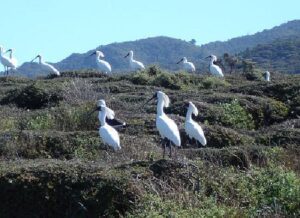
Ōkārito is home to Aotearoa’s unmodified wetland, making it a sanctuary to rare and endangered species from the Kōtuku (the white heron) to the many shy wetland creatures. It’s a complete paradise for wildlife watchers, walkers and photographers.
Situated on the west coast of the South Island of New Zealand, Ōkārito is only twenty minutes north from the famous Franz Josef Glacier and only an hour and thirty minutes’ drive south from Hokitika.
Ōkārito is now a permanent home to only about thirty residents, but it is also home to over seventy different species of birds, including one of the rarest species of kiwi, the Rowi (Ōkārito Brown Kiwi) and the Mātātā a Fernbird.
One of Ōkārito's most notable residents was Keri Hulme. She made Ōkārito her home in the late 1970s and described life in this community in her book “Homeplaces” (get hold of a copy if you can).
She drew deep inspiration from Ōkārito, its solitude, its natural beauty and its wild windswept landscape, which was reflected in her prize-winning novel ‘The Bone People’.
The novel is set on the west coast of New Zealand’s South Island and explores themes such as isolation, identity, trauma, healing and cultural identity as it delves into Māori and Pakeha heritage.
Keri Hulme made history when ‘The Bone People’ won the Booker Prize in 1985. It made her the first New Zealander to receive global literary recognition and shone an international spotlight on New Zealand’s culture and Māori heritage.
Gold Mining
Like Hokitika, the settlement further north, Ōkārito is an old gold mining town and during the 1860s these two locations became the focal point for mining gold on New Zealand’s West Coast. During the peak of the West Coast gold rush the town’s population boomed massively with 1,500 residents. Bustling with shops, and hotels, it was a stark contrast to the deeply isolated town it is today.
A reminder of the gold mining days is Donovan’s Store, the oldest wooden building in the Westland of New Zealand. It was originally known as the Club Hotel built on The Strand, during the prominent gold mining years of 1865 and 1866. It was then converted in 1890 into a general store by James Donovan and his wife, Eva.
Since 1990 it has been registered by Heritage New Zealand as a Category One structure and serves as a community library to Ōkārito’s residents.
Ōkārito’s Lagoon
Ōkārito’s Lagoon lies immediately next to the village of Ōkārito. The lagoon is the largest unmodified lagoon in New Zealand, spanning over 3,240 hectares. The lagoon has a rich variety of mosaic tidal flats, estuaries and rainforest which eventually leads to the Tasmanian Sea. It is home to a large variety of rare bird species such as the:
Royal spoonbill (Kotuku- ngutupapa), Pied Stilt (Poaka), Band Dotterel (Pohowera), The Caspien Tern, The Bellbird ( Korimako) South Island Robin ( Toutouwai) and Grey Warbler ( Riroriro.
There is only one protected breeding site for the Kōtuku in New Zealand and that is the north area of the Ōkārito Lagoon. The Kōtuku is a particularly prominent bird in New Zealand and is featured on the New Zealand $2 coin.
The Ōkārito Lagoon is extremely significant to the local Māori tribe, the Ngāi Tahu. The Ngāi Tahu have had great ancestral ties and are the indigenous guardians to the Lagoon as it was a significant food-gathering place for the tribe.
In 1998 the Ngāi Tahu Claims Settlement Act was passed through the New Zealand parliament. This was to settle the Ngāi claims of land under the Treaty of Waitangi and a public apology was given by the Crown dispossession of their lands by European and Australian settlers. They received a cultural redress such as access to conservation lands and co-management of natural resources.
While the Ngāi Tahu do not own all the Ōkārito Lagoon as private landowners, they are legally recognized as the kaitiaki (the guardians) and work in partnership with the Department of Conservation (DOC) to manage the Lagoon and the nearby forest.
Activities on Okarito Lagoon
Kayaking
Visitors can enjoy an intimate, guided kayaking experience with the family- run business, Ōkārito Kayaks. Their passionate and knowledgeable local guides share fascinating insights into the region’s wildlife and rich history.
The company offers a wide range of guided excursions to suit different experience levels and are perfect for those who are less confident on the water
Experienced kayakers can also hire a kayak to explore the stunning Lagoon at their own pace
Walking
Ōkārito offers a wide range of scenic walking tracks that showcase the area’s immense natural beauty with coastal views and mountain backdrops.
A recommended walk for those who wish to do a short stroll is the Wetland Walk.
This gentle track winds through the bush before crossing the estuary on a curving boardwalk. From there the track gently climbs to a viewpoint that overlooks the beautiful estuary. The Wetland Walk also gives walkers the excellent opportunity to be able to spot rare native birds.
For those who wish to do a half-day hike, the Ōkārito Trig Walk is certainly one not to be missed!
It needs to be a clear day to fully appreciate this walk. It’s four kilometres leading through native forest to a stunning viewpoint overlooking the Ōkārito Lagoon, the Southern Alps and the coastline.
Boat Excursions
Taking a boat excursion in Ōkārito is something not to be missed and a rewarding way to explore New Zealand’s largest unmodified wetland. A great opportunity to see the rare birdlife and wildlife that Ōkārito has to offer.
Ōkārito Boat Eco Tours.
We highly recommend Paula Sheridan and Swade Finch at Ōkārito Boat Eco Tours. They are more than just guides, they are locals with decades of knowledge about the ecosystems, birdlife and the conservation of the lagoon.
Their tours are designed to be small and slow-paced, allowing time to listen and observe the surrounding wildlife.
The most popular option is a two-hour guided tour that departs daily at 9am.
The leisurely boat trip glides quietly through the serene wetlands and rainforest, offering incredible views and amazing opportunities to spot native birdlife. The guides share stories about the area's rich history and their conservation work.
Accommodation
If you want to stay in Ōkārito, there is a range of accommodation from cosy eco-cabins and family friendly cottages to self-contained holiday homes with views of the lagoon or the mountains. However, you do need to book early since spaces are limited as Ōkārito remains a small, secluded town. One of our favourites, off the beaten track.
If you’re looking for a New Zealand holiday that roams across hidden gems or tourist favourites, we can help. With over 30 years of experience in planning itineraries that cater to individual interests we know how to build a trip that is tailored to you. Get in touch to find out more.
In this post we’ll look at some of those places on the North Island that are often overlooked in favour of more heavily promoted tourist locations.
Our suggestions make simple diversions from your main route, and every one is worth a stop. They give a far better representation of the kiwi way of life, letting you experience the day-to-day activities of smaller communities.
First up is Dargaville, a town you’ll pass through if you travel up the West Coast of Northland on Route 12 en route to the Bay of Islands.
DARGAVILLE
Situated on the bank of the Northern Wairoa River, Dargaville is approximately one hundred miles north of Auckland. It’s one of the chief regions in the country for cultivating kūmara (sweet potato) and is known by many locals as the "Kūmara Capital" of New Zealand.
The town was established in 1872 and named after a timber merchant, Joseph Dargaville, who purchased land from local Maori. The area became renowned for its thriving industry, which included gum digging and kauri logging. This was based mainly at Te Kōpuru, several kilometres south of Dargaville on the banks of the Wairoa River, and the river was used to transport timber to Auckland for use in shipbuilding.
Immigrants from Yugoslavia settled in Dargaville to work in the gum industry, a process which involved the extraction of the gum from the giant Kauri trees, which are a feature of the region. After the gum and forestry industries started to decline after 1920, farming (especially dairy) became a significant contributor to the economy. Our namesake, the Silver Fern Farms meat processing plant, is located on the fringes of the town and currently employs 300 people.
Nearby to the township is Ripiro Beach, the longest drivable beach in New Zealand. Longer even than its more famous neighbour Ninety Mile Beach, which is situated further north. Ripiro is also home to the renowned shellfish delicacy, the toheroa. However, the shellfish were overexploited in the 1950s and 60s, and it is now prohibited to harvest them.
In the early 1800’s the beach was the setting for a major conflict between two Maori tribes during what was known as the Musket Wars.
At the last census in 2023, there were 5,000 residents of Dargaville – a town consisting of the usual range of shops on one high street, the Hokianga Road, with the amenities located close by. These include a sports Centre, swimming pool, golf course and cinema.
Some buildings were damaged by Cyclone Gabriel in 2023; the Town Hall was closed and had to be partly demolished because of the damage caused by the cyclone.
On our last visit to the town, we stopped by The Aratapu public library, built in 1874 and now part of the Dargaville museum.
It houses exhibitions of Maori history, early European pioneers, and industrial and maritime history. Exhibits include a 16-metre-long Māori Waka and a display hall showcasing the history of the Gum diggers. It also has an excellent coffee shop.
There is also a thriving local culture scene, centred on The Dargaville Little Theatre, an amateur theatre company based in the former Mititai Masonic Lodge. In 2022, the Dargaville Little Theatre won the TheatreFest Book of Honour award from Theatre New Zealand for their original musical piece 'Out of Mind' in Wellington.
The theatre community also supported the establishment of Circus Kumarani, the longest-running rural community circus. They offer community-based circus and social arts classes for children and adults across the Kaipara and Whangarei regions.
As you can see, Dargaville has plenty of activities which are well worth investigating, and if you are lucky with your timing, you may even get to enjoy one of the several farming festivals they host throughout the year.
TE AROHA
About an hour and a half from Auckland and forty-five minutes from Hamilton, you can pass through the small township of Te Aroha on your way to Hobbiton.
I once spent an hour waiting for a lift there back in the 80s when hitchhiking was a standard way of getting around. I can’t say I took in much of the scenery because I was too focused on the cars passing by in the hope of someone stopping for me, so it’s a delight to investigate what I missed!
And what I missed was the fact that Te Aroha is famous for having the world's only hot soda water geyser, Mokena, and associated springs. Before the European colonisation of the area, this was a place highly valued by the local Maori, not only for the waters but for its spiritual significance, as they do today.
"Te Aroha" is a Maori phrase meaning "the love" or "the loved one.” The term is famously associated with the New Zealand mountain Mount Te Aroha, the tallest peak in the Kaimai-Mamaku Forest Park. Hiking tracks up Mount Te Aroha begin in the town domain; it takes about 3 hours to reach the summit. with shorter trails available around the base of the mountain.
Other popular trails include those found in the Waiorongomai Valley, a significant gold mining area home to several mining relics and the Wairere Falls Walk, a short drive south-east of the township.
Or grab a bike and ride the Te Aroha to Paeroa section of the Hauraki Rail Trail.
The domain itself offers a picturesque insight into the spa history of the area. The old Edwardian-style building houses a museum, café and the popular natural mineral spas. Pop behind the spa building, and with a little patience, you will see the world’s only natural hot soda water geyser, Mokena Geyser, erupt.
To town is also home to great local cafes, shops and artists and is only a short drive to Hobbiton Movie Set.
BULLS
If you’re travelling down from Tongariro National Park to Wellington and you enjoy really cringeworthy puns, then you must stop at Bulls, where you’ll see the welcoming sign: “Herd of bulls? It's a town like no udder.”
The puns just keep coming and coming until you get irrit-a-bull, for example, if you need a doctor, head to the Bulls medical centre where you’ll find a sign promoting the fact that all your ailments are cure-a-bull. Or if you want a bank, you’ll find the Westpac Bank, where, of course, all your assets are bank-a-bull. Thinking of staying longer? Look for signs for flats that are rent-a-bull.
Had enough? Need a break? Get a bite to eat at the Mothered Goose (Delect-a-Bull), or Subway (Submerge-a-Bull), or Frankies Ice Cream Parlour (Lick-a-Bull) or maybe M&P Young Fruiterers (Veget-a-Bull).
Named after James Bull, an English settler who established the first general store in the town in 1862, you’ll have gathered Bulls' residents and businesses have made the most of its name with puns galore.
Every local business, shop and even the town administration plays along with the punning. The police station is called “Const-a-bull”and the church “Forgive-a-bull”. Likewise, the town hall is “Social-a-bull”, the tourist information center “Inform-a-bull”, and all the public loos are “Reliev-a-bull”. The gift shop is “Desire-a-bull”, and a cold store “Freeze-a-bull”. Even its sister city is the cleverly picked Cowes, in England.
The township is home to just over 2,000 people – I imagine many of whom are involved in the “pun” industry which certainly puts them on the map. It’s close to the Rangitīkei River to the east, with the Tūtaenui Stream also located to the west of the town.
The Rangitikei is a popular leisure and recreation area for jetboating, white water rafting, kayaking and fishing, and includes public campgrounds along its banks. Part of the river was used as the Anduin River in Peter Jackson's The Lord of the Rings movies.
KAPITI ISLAND
There’s a good chance you’ll just see Kapiti Island off the coast as you travel down the coast road en route to Wellington.
If you want to visit the island – and if you’re a bird lover, it’s a “must” then you need to book a place with Kapiti Island nature tours. Alternatively, if you’d like the simplicity of having it built into your itinerary, here at Silver Fern, we can happily include it in your own tailor-made tour of New Zealand.
Included in your trip will be a 20-minute return ferry transfer, and if you’re staying overnigh,t there is accommodation in self-contained cabins, share cabins or glamping tents with meals part of the package.
There are also day trips departing from Paraparaumu Beach and guided tours of six hours duration. If you get the 8.00am boat, you’ve time to see the island, return to shore and complete your drive to Wellington.
There are visitor shelters and toilets on the island. You’ll need to bring your lunch and drinking water, wear sturdy footwear, and warm clothing, including a waterproof jacket.
People have also lived on the island for over 800 years, and their history survives today through the stories and legends told by their ancestors, and through historical sites and artefacts.
Many tribal groups have left their marks on Kapiti Island during a long and colourful history. For instance, from here the famous chief Te Rauparaha controlled his middle NZ empire between 1830s and 1860s.
Over the last 150 years, Kapiti Island has been home to European interests, including the explorer Captain James Cook, foreign trading ships, and whalers, whose ‘blubber pots’ remain on the island.
In 1897 New Zealand’s Prime Minister Richard Seddon introduced a bill to Parliament to acquire Kapiti Island in order ‘to conserve the flora and fauna of the Island’.
The island is one of New Zealand’s most accessible nature reserves; a thriving sanctuary, home to rare and endangered native birds, many of which have vanished from the mainland.
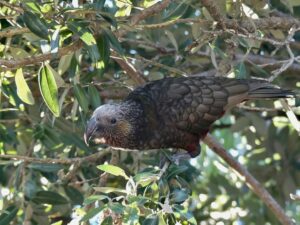
If you’re interested in birdwatching, you might be able to cross off an impressive list. You’re likely to encounter the kākā, a large parrot; the kākāriki, a red-crowned parakeet; and the tīeke (saddleback), a striking wattlebird with a red patch on its back resembling a saddle, among many others. Also, keep an eye out for Takahē, a large flightless bird beloved of New Zealanders because it was once thought to be extinct.
The original forest was dominated by huge rata and podocarps such as matai and miro. Most of these trees were burnt or felled during in the mid-nineteenth century to clear the land for farming, but pockets of matai and miro still remain in the deep gullies that escaped the fires. Today, as the forest regenerates, much of the island is covered in kohekohe, tawa and kanuka. Some plants, such as karo, have been introduced to provide a valuable food source for nectar-eating birds.
These are just four places on the North Island that we think you’ll enjoy as you travel through the country; of course, there are many other out-of-the-way places that never get a mention in the Tourist Guides. Either through careful planning or serendipity, you may chance on these and gain more insight into what makes New Zealand and New Zealanders tick.
With so much left to explore, next month we’ll look at some more off-the-beaten-track places, this time on the South Island.
As a specialist New Zealand tour operator, we do advise our travellers to limit the travelling they do on their journeys through the country.
It’s often forgotten that New Zealand is the same size as the UK, and, in trying to see all the highlights within a limited timescale, it would be very easy to spend hours at the steering wheel.
Most of our suggested itineraries involve an average of three hours' travel between locations, with one or two journeys of longer duration. We often schedule two- or three-night stays to avoid too much packing and unpacking.
However, some of our travellers have indicated they would like to stay in certain places longer, so that there is not only time to see the sights and enjoy activities but also time to relax and appreciate the local scene.
Whilst some travellers may prefer hotels – and that’s certainly an option – for accommodation on these extended stay tours, we have generally steered towards apartments, baches (holiday houses) or houses as places where it’s easier to unwind and do your own thing over a few days. These are often in high demand, since they're also popular choices for Kiwis on holiday, so early booking for this style of trip is a good idea.
And it is no surprise which locations are the preferred places in New Zealand for an extended stay. We highlight these below and describe their appeal.
"Stay-a-While" Extended Stay Itineraries
Bay of Islands
The subtropical North is a favourite area for longer-term stays, not only because of the warmer climate but also because there is so much to see and do on land and on water.
Day trips from a base in Paihia or Russell can include a visit to the Waitangi Treaty house and visitor centre. Recently renovated, this visitor centre displays documents and details of the 1840 meeting between Maori Chiefs and representatives of the British Crown, where an agreement was forged between the parties as to how the land would be administered and developed in the future years. It forms the basis of the New Zealand constitution today and provides an essential guide to relations between the Maori and Pakeha (the settlers).
The waters of the Pacific Ocean lap the stony beaches of Paihia, and from the quayside, half-day and full-day trips depart to the islands to see dolphins and the many seabirds that follow the boats. A popular trip is Fullers Hole in the Rock cruise or, for the more nautically adept, there are sailing boat trips which offer participants the chance to try their hand at pulling up the main sail.
The small township of Russell evokes a notorious whaling past and it’s easy to imagine sailors taking a rest here in one of the taverns or grogshops. The small museum is worth a visit to get an idea of the importance of the town and surrounding area in the mid-nineteenth century.
Further north the small settlement of Keri Keri also holds historical importance as the outpost of the British missionaries first sent to convert the natives to Christianity in the 1830’s.
Diving is also popular in this region. The main attractions are dives to the shipwreck of the HMNZS Canterbury located in Deep Water Cove just off the Cape Brett Peninsula. Meanwhile, experienced divers can explore the wreck of the Greenpeace ship, the Rainbow Warrior.
A day tour to Ninety Mile Beach not only gives travellers an extended view of the scenery of the Far North but also the possibility of dune surfing on its wide sands.
The Coromandel Peninsula has a coastline of bays, coves and beaches to explore while you enjoy a relaxed stay in the area. Dotted around the coastline are small settlements and townships that are popular summer holiday locations for New Zealanders living in the larger conurbations of Auckland and Hamilton. Coromandel, Tairau and Whitianga are the main destinations and the beaches on the eastern coast are a big draw.
Accommodations generally comprise bed and breakfasts, apartments and motels. Baches are also a popular choice.
Many travellers head to Hot Water Beach to dig their own hole in the sand and luxuriate in the hot spring waters. Cathedral Cove is also a good spot for beach activity and for walks along the shoreline. Unfortunately, a recent land slip has meant access by land is not possible, but boats and kayaks are readily available to explore on the water.
There are other less well-known beaches, such as New Chums Beach, which are further from the road access and are quieter. Cooks Beach can be reached by ferry crossing and here you can visit the site of James Cook's original landing in New Zealand.
If you are travelling from the South Island to the North, then the Coromandel is an ideal place for some rest and relaxation after a journey around the country and before preparing for travel home from Auckland.
We feature a four-night stay in our new “Stay A While “itinerary:
This is another beautiful coastline that runs atop the South Island.
From Nelson, travel out to Kaiteriteri, this small seaside settlement that is the gateway to the park. Kaiteriteri itself has a wide beach with a main café area, and all the boats leave from the shore to cruise up the coast, taking day trippers to beaches for picnics, for walks to other sections of the coastal path and to view the sea life en route. There are also travellers who are undertaking a three or five day walk on the path or combining walks with kayaking trips. It’s a well-honed operation with a range of possibilities for those who want to fully explore the coast.
It's possible to stay at one of the lodges or baches which are situated along the coast. A popular accommodation is Awaroa Lodge which has well-appointed rooms and an excellent on-site restaurant.
Relaxing for a few days in the park is a great idea before picking up your itinerary to venture further South. If this suggestion is of interest, you can see the full itinerary here:
It may not have the beaches of the Coromandel or Abel Tasman, but Wanaka is situated in the most stunning alpine environment of lakes and mountains, where travellers can enjoy gentle walks, boat trips and endless swimming possibilities. In recent years, this small township has grown at a rate to rival the nearby adventure “resort” of Queenstown. However, Wanaka still retains a relaxed vibe with less drama.
Marketed as the best half-day walk in New Zealand, the Rocky Mountain Diamond Lake walk certainly offers great views of Mount Aspiring Park, with an easy ascent to the summit. Closer to the lakeside is the starting point for the trail to Roy’s Peak that has become a popular “Instagram” climb with queues in line at the top waiting for their photo or video clip. If you don’t want to climb at all, there are the lakeside trails around Lake Wanaka and along the nearby Matukituki Valley.
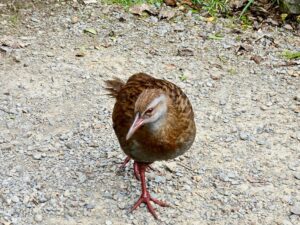
Excursions include jet boat trips up the river and trips into the high mountains. Many travellers also opt for a half-day trip To Mou Waho Island, where volunteers are re-introducing the Weka bird, whose feathers adorn Maori cloaks.
Within the town are a variety of boutique shops, galleries and workshops that display distinctive hand-crafted products, while upmarket cafes and restaurants are sure to find favour with travellers who seek the best in New Zealand cuisine.
Wanaka has long been a favourite location for Silver Fern travellers and as such it features prominently on our tailor made itineraries and in our new Stay-a-While trips.
If these suggestions get you wishing you could experience the wonders New Zealand for yourself, or you'd like to know more about our new "Stay-a-While" tours, get in touch with us and book your 2025 or 2026 New Zealand holiday today!
Each February, the pretty town of Napier in Hawke's Bay gears up for the Art Deco Festival, one of the world's most famous festivals, which celebrates the history and spirit of the people of Napier.
This year marks the 36th anniversary of the festival, which initially began as a weekend of Art Deco celebrations back in 1989. Run by the volunteers of the Art Deco Trust, a group established to safeguard and protect the beautiful historical buildings and heritage of Napier and its surroundings, the Festival allows people from all over the world to get a taste of life in the 1920s and 30s, learn about local culture and visit some of the area's most important landmarks.
What Is Art Deco?
The Art Deco style emerged in Paris, but truly flourished in the aftermath of the First World War, marking a new beginning and a modern age. Characterised by geometric shapes, clean lines and bold colours, the style has something of an industrial look, reflecting the many technological and architectural advancements of the time. It represented luxury, optimism, glamour and progress, and the spirit and energy of the style was exactly what people were looking for after the horrors of the Great War; it quickly spread across the globe. New Zealand was no exception.
We've been visiting this festival for many years, and we always find something new to enjoy amid the vibrant festival atmosphere and gorgeous Art Deco buildings. Here's our Napier Art Deco Festival Guide.
What Is Art Deco Festival Napier?
In 1931, a massive 7.8 magnitude earthquake rocked Hawke's Bay, located on New Zealand's North Island. The region was devastated; 256 people were killed, thousands injured, and the small towns of Napier and Hastings were all but destroyed. Aftershocks continued for years afterwards, further shaking the region. To this day, it remains New Zealand's most deadly natural disaster.
Napier was hardest hit, with the buildings that weren't destroyed by the initial earthquake being engulfed by fires that broke out in the aftermath. Only very few buildings survived.
Napier in 1931
The locals quickly began the job of rebuilding the city. Buildings had to be safe and modern, and thanks to the government offering only limited financial help, costs had to be kept to a minimum. Fortunately, the style at the time was Art Deco. The characteristic low buildings of this style made it a lot safer than the taller architecture that had been destroyed in the quake, while the lack of ornamentation helped to keep costs down.
As a result, Napier has become one of the world's finest and best-preserved examples of Art Deco architecture, and a trust has been established to protect and maintain them. Every year, to show their work off, and to raise funds for their operations, the Art Deco Trust holds a festival celebrating everything that is great about this style and period of history.
When Is the Festival?
This year's festival takes place from 13-16 February 2025, so if you're planning on being in Napier or the Hawke's Bay region around then, we highly recommend a visit!
Events are taking place at various locations in and around Napier and Hastings, so you'll be sure to stumble upon something interesting, even if you've not booked anything specific!
What's On in 2025?
The Whakatūwheratangaor opening ceremony for this year's festival takes place on 13 Feb from 8.45am, at Napier Soundshell. This ceremony sees the laying of the mauri stone, which carries the essence of the festival. There's a blessing, speeches and songs of welcome, making it a wonderful insight into traditional Māori culture.
With hundreds of events taking place over the 3 days of the festival, there is something for everyone: history buffs, architecture lovers, foodies, fashion fans, music aficionados, theatregoers, families... you name it!
Learn to dance the Charleston, take a vintage bicycle ride, enjoy the best of 1920s and 30s cinema or just enjoy learning more about the history of Napier, Hastings and the Art Deco period.
Here are some of the festival events taking place in 2025. There's still time to book for many of this year's events, and for many of them, you can even just turn up on the day, so don't worry if you've not booked yet!
Shopping and Retail
If you want to pick up an Art Deco souvenir from your trip, there are plenty of opportunities. From a 30s car memorabilia auction to an Art Deco market, you'll find clothes, gifts, antiques, crafts and more.
Vintage automobilia auction - 14 Feb 2pm-5pm, The Shed
Antique & collectables fair - 14-16 Feb 10am-5pm, Asher Hall, St. Paul's Presbyterian Church
Napier Urban Farmer's Market - 15 Feb 8.30am-12.30pm, Clive Square
Central Hawke's Bay Art Deco Market - 15 Feb 10am-2pm, Russell Park, Waipukurau
Walking Tours
Whatever you're into, there's a walking tour geared to suit you. From historical tours, to tours of the local fashion retailers, get those walking boots on and see the best Napier has to offer.
Walking tours of the Art Deco Quarter - 12-16 Feb, departing from Art Deco Centre
Before the Quake historic house tour - 12 Feb 10am-11.30am, departing from Art Deco Centre
Hastings CBD Art Deco walk - 12 Feb 10.15am-11.30am, departing from Art Inc Heretaunga
Fashion retailers Art Deco tour - 12-14 Feb 10.30am-2pm, departing from Art Deco Centre
Inside Story walking tour - 13-14 Feb 9.30am-11am, departing from Art Deco Centre
Napier City Centre earthquake tour - 13 Feb 10.47am-12.17pm, departing from Art Deco Centre
Non...walking Tours
For those who prefer a more leisurely way of getting around, there are plenty of tours that make use of various forms of vintage transport, really taking you back to a bygone era.
Art Deco vintage car tours - 12-16 Feb all day, Art Deco Centre
Steam Explorer tours - 13-14 Feb 8.30am-10am, departing from outside MTG on Marine Parade
Deco Highlights bus tours - 13-15 Feb 9.30am-11am, departing from Art Deco Centre Napier
Food and Drink
While one of the highlights of the festival is the Tremain's Gatsby Picnic, there are plenty of other events for food and drink lovers taking place over the course of the weekend. Enjoy wine tastings, try the iconic ice cream sundaes at Rush Munro's, dine in style at a 1930s brunch and more...
Brunch at the County Hotel - 13-16 Feb 11am-1pm, The County Hotel
Local Wine Tasting at the Lone Star - 13 Feb 5.30pm-7.30pm, Lone Star Napier
Tea with the Stars - 14-16 Feb 11am-1pm, Hawke's Bay Holt Planetarium
Hastings Rush Munro ice cream tour - 14-15 Feb 1pm-2.30pm, departing Art Inc Heretaunga
County Hotel Deco-dant High Tea - 15 Feb 2.30pm-4pm, The County Hotel
Parties and Soirees
It just wouldn't be a 1930s-style festival without a huge range of parties, balls, dinner dances and soirées to choose from, so get your gladrags on and join in the fun at parties worthy of Mr. Gatsby himself!
Knees Up! - Feb 13-15 7pm-9.30pm, The Tabard Theatre
Prohibition Party @ The Paisley - 13-15 Feb 8pm-12am, Paisley Stage
Deco Dine & Dance on the Quay - 14-15 Feb 7pm-11pm, SHED2 on the Quay
Roaring 20s Party - 14 Feb 7pm-11pm, Napier War Memorial Centre
Opulence on Ossian - 14 Feb 7pm-11pm, National Tobacco Company Building
Deco Decadence Grand Ball - 15 Feb 7pm-11pm, Napier War Memorial Centre
Fête Champêtre - 16 Feb 12.30pm-4pm, Mission Estate Winery
Music, Cinema and Theatre
The movies and music of the era are some of its most defining aspects, and the Festival makes the most of this, with various events taking place that showcase them.
At the Pictures: Shall We Dance? - 13-16 Feb, 1.45pm-7.30pm, Globe Theatrette
At the Pictures: Footlight Parade - 13-16 Feb 3.55pm-5.25pm, Globe Theatrette
Jazz in the Garden - 14-15 Feb 4.30pm-11pm, The Old Mill
Friday Night with the Royal New Zealand Navy Band - 14 Feb 6.30pm-8.30pm, Napier Soundshell
Silent Movie Sunday - 16 Feb 12pm-6pm, The Urban Winery
Cultural Events, Art and Exhibitions
There are also plenty of cultural events going on during the festival, showcasing New Zealand's culture, art and history.
Napier Deco City exhibition - 14-16 Feb 10am-4pm, Creative Arts Napier
"When the Dust Settles" - 14-16 Feb 10am-6pm, Lower Lawn
Ceremonial Sunset - 14 Feb 8pm-8.15pm, Napier Soundshell
Kapa Haka Showcase - 15 Feb 10am-11am, Napier Soundshell
Workshops and Classes
If you fancy learning something new or making your own souvenir of your trip to New Zealand, there are plenty of workshops and classes going on throughout the festival. Learn to Argentine Tango, make your own Art Deco jewellery or find out how to blend your own gin, Prohibition-style.
Argentine Tango workshop - 14-15 Feb 10am-4pm, Hawke's Bay Latin Dance Club
Glitter Like Garbo jewellery making workshop - 15 Feb 1.30pm-3.30pm, Creative Arts Napier
Prohibition Gin Blending Class - 15 Feb 2pm-5pm, The National Tobacco Company Building
Deco on the Dance Floor swing dance classes - 15-16 Feb 11am-3pm, St. Patrick's Catholic Church Hall
Trains, Planes and Automobiles
Take a trip back to the 1920s and 30s in style with these events dedicated to the transport of the times. From airshows to vintage mo
Memorial Flying Displays - 14-16 Feb, Napier Soundshell, Emerson Street and Marine Parade
Steam in the Bay - 14-16 Feb all day, departing from
Vintage railcar ride - 15-16 Feb 9.40am-10.25am, Napier Station Platform
Aero Deco - 15-16 Feb 10am-4pm, Beacons Aerodrome
Traction Trundle - 15-16 Feb all day, departing from opposite Napier Soundshell
Once Were Wild Ones - 15 Feb 2pm-3.30pm, Emerson Street
Kids and Families (and Pets!)
The festival prides itself on being family-friendly, and kids, and even pets, are very much front of mind for many of the events. From colouring competitions to scavenger hunts, and dog parades to discovery trails, there's plenty for families to enjoy.
Kids' colouring competition - throughout the event
Scavenger Hunt - 13-16 Feb, all day, Art Deco Centre
Junior Gatsby Picnic - 13 Feb 10am-12.30pm, Napier Soundshell
Art Deco Explorer trail - 13 Feb all day, packs available from Art Deco Centre
Deco Dog Parade - 16 Feb 9am-10am, Napier Soundshell
Soap Box Derby - 16 Feb 10am-12pm, Tennyson Street
Deco Dog Brunch - 16 Feb 10.30am-12.30pm, Scenic Horel Te Pania
Tremains Gatsby Picnic
16 Feb 1pm-4pm
The cornerstone of the weekend is unquestionably the annual Tremains Gatsby Picnic, which takes place on the lawns between Napier Soundshell and Tom Parker Fountain. The best part about this event is that there's no need to book, and it's completely free! Just don your 1930s gladrags, bring a picnic basket and a rug and find a spot overlooking the ocean to enjoy your feast.
In addition to the main festival in February, every year there is a smaller Winter Deco Festival weekend, which takes place in July. Like the main festival, it's run by the Art Deco Trust, and like the main festival, there are events, parties, musical performances, dining experiences, art exhibitions, vintage car displays and more.
This year's Winter Deco Weekend takes place between 18-20 July 2025, so if you miss the main event, you can still get your Festival fix - just remember to wrap up a bit warmer for this one!
Future Festivals
If you're heading to New Zealand in 2026 or 2027, why not check out this amazing event? The dates for future festivals are as follows:
19-22 Feb 2026
18-21 Feb 2027
So there you have it, our guide to one of New Zealand's most famous and fascinating festivals. Be sure to check it out!
----------------------------------------------
The Art Deco Festival is fantastic for sure, but really, Hawke's Bay, and Napier, are absolute must-sees, no matter what time of year you visit. Why not book your New Zealand holiday with us, and we'll help you plan your itinerary to make sure you get to see everything this stunning country has to offer!
Compact and cosy, with a focus on wholesome seasonal food, this family-owned eatery gets rave reviews: “Freshly, locally sourced ingredients, great flavours, great people and reasonably priced”.
The owners grow much of their own produce and hand-make many of the products on offer.
Open Monday - Friday 7.30am to 2.30pm, weekends from 8am to 2pm (walk-ins only)
A local country café serving light snacks, salads and main meals. Try something from their à la carte menu, or choose one of their ever-changing specials. Enjoy a cuppa and cake in the outdoor courtyard seating.
Arthur's Pass Café & Store, Arthur's Pass Village, Canterbury
Whether you’re travelling across the Southern Alps by train or car, Arthur's Pass is a favourite junction stop. You’ll find the National Park Visitor Centre there, as well as the Arthur's Pass Café and Store, which is renowned for great pies and savouries, home-baked cakes and slices, mountain breakfasts, ice-creams (very large ones!) and fabulous espresso coffee.
If you sit on the outside terrace, you are likely to meet a playful kea, New Zealand's indigenous mountain parrot.
You won’t have passed much in the way of villages or towns on this route until you get to Murchison, and there aren't many food stops afterwards, so it makes sense to visit the very typical Kiwi tea rooms at Murchison for a break. They offer an extensive blackboard menu and friendly service, and a large outdoor seating area where you can enjoy your food and drink at your leisure.
Open Monday - Thursday from 7am to 4.30pm, Fridays from 7am to 7pm, Saturdays from 7.30am to 4.30pm, and Sundays from 8am to 4.30pm
It’s worth stopping in Hokitika, if you’re not already staying there. Discover the town’s early gold mining history and look around the jade galleries, glassblowing and wood carving workshops. For a coffee break try the Hoki Boatshed café, a little outside the centre but worth a short drive or walk for the excellent food, warm welcome and outlook over the Hokitika River.
This will be an early coffee if you’ve just travelled from Franz Josef Glacier or even earlier if you’re staying in Fox, but indulge! Just a stone’s throw from New Zealand’s most scenic "mirror" lake, this café offers some of the best views in New Zealand, not to mention an extensive menu of seasonal plates, deli sandwiches, salads and cakes, all made on the premises.
Open daily from 8.30am to 3pm
Lake Matheson Road PO Box 86, Fox Glacier 7859 - +64 3 751 0878
If all that driving has made you hungry, head to the Frontier Café and Bar. You'll get great views from the outside deck of this country pub, which has an extensive lunch menu. Close to the Visitor Centre, it's a great place to chat to the locals and enjoy the hearty pub food before setting out again with a full stomach!
Open Monday - Thursday from 8am to 9pm, Fridays from 8am to 10pm, Saturdays from 8pm-11pm and Sundays from 5pm to 9pm
The perfect place to stop en route to Fiordland National Park and Milford Sound, with friendly staff serving drinks, light and main meals. The café is adjacent to a small animal farm and offers outdoor seating with great views. There's also an art gallery, where you can pick up works by local artists to remember your travels by.
Open Saturday to Thursday from 8am to 2pm, closed Fridays
This little restaurant and food store is at Mandeville Airport, a small grass strip north of Gore on the main highway. Just outside the café is a museum with a variety of restored vintage aircraft. Offering delicious food and excellent coffee, it's also licensed to serve beer and wine.
Open Monday - Friday from 7.30am to 3.30pm, weekends from 9.30am to 3pm
If you want to stop in Gore itself, try the family-owned Stable Kitchen, a very popular brunch spot thanks to its delicious food, great coffee and friendly atmosphere.
You’re sure to want to stop here to photograph the unusual spherically shaped boulders which adorn the beach, so make sure you call into the nearby café for a great range of light refreshments and stunning views of the coastline.
The alternative is to drive to the delightful Tee St Café in Oamaru. With a menu influenced by Argentinean and Mediterranean cooking, it's a fantastic spot to grab breakfast, brunch or lunch on your travels. Like many other places in this post, it's family-owned, which means the atmosphere is always warm and welcoming.
The town boasts the oldest public gardens in the country, renowned Victorian architecture and two penguin colonies.
Open Monday to Friday from 7am to 3pm, weekends from 8.30am to 3pm
Your first stop on this trip will be Lake Tekapo for a walk to the Church of the Good Shepherd and views of the aquamarine lake through its windows. And close by you’ll find the Jack Rabbit Café, where once again you can take in views of the Lake while you sip a mug of tea or coffee and enjoy a delicious breakfast, brunch or piece of homemade cake.
Open daily from 7.30am to 3pm
Neil Anderson Way, Corner Motuariki Lane, Lake Tekapo - +64 27 807 0567
For lunch think about stopping at Geraldine. Offering outdoor seating in a vibrant garden setting, Café Verde specialises in seasonal produce. It's open every day for breakfast and lunch, or just to grab a coffee.
It's also fully licensed, making it an excellent place to round off a long day of exploring during the summer months, when they open up the garden for dining on Friday evenings.
Open daily from 9am to 3pm, as well as Friday evenings (from 5.30pm) during the summer.
Enjoy lunch and then stock up on supplies of freshly grown home produce for your trip across the plains to Christchurch. Fruit and vegetables are grown in their own orchard and market garden, and artisan baked goods made on site. They also stock a range of deli items from local producers, including honey, cheeses, pates, and cold meats and fish.
Open Friday to Wednesday from 8.30am to 4.30pm, Thursdays from 8.30am to 4pm
We would like to thank all the photographers whose images that have been used in these two blog posts, as well as the cafés and restaurants mentioned. Where possible, we have made attributions, and we apologise if there is any oversight on our part.


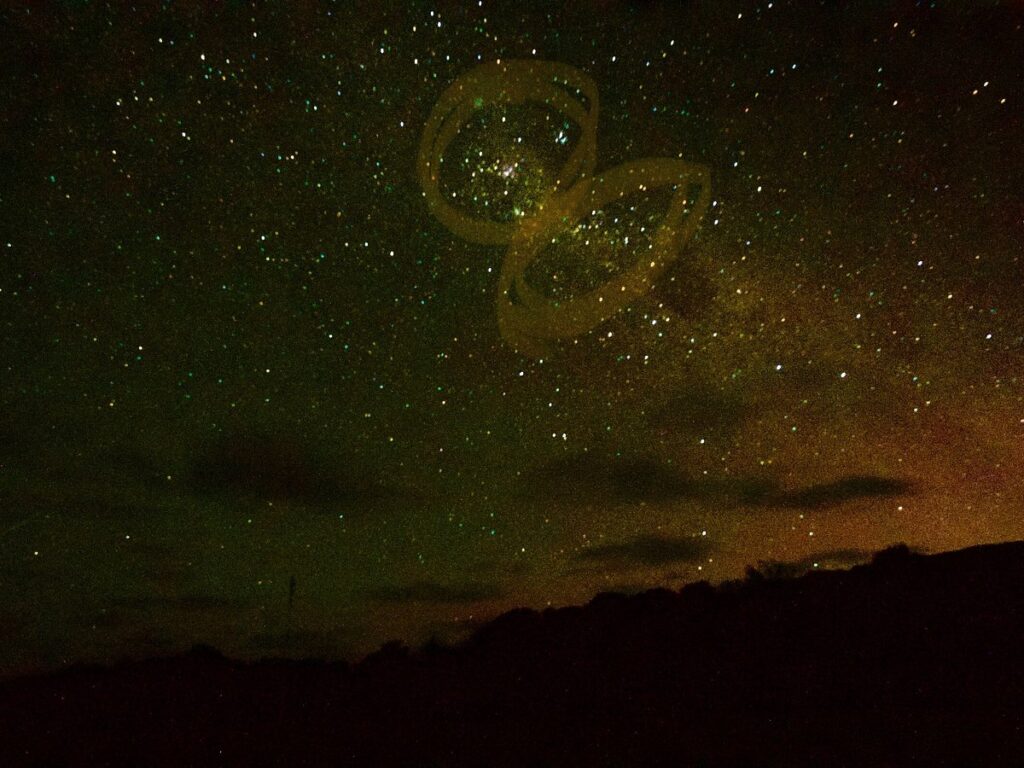

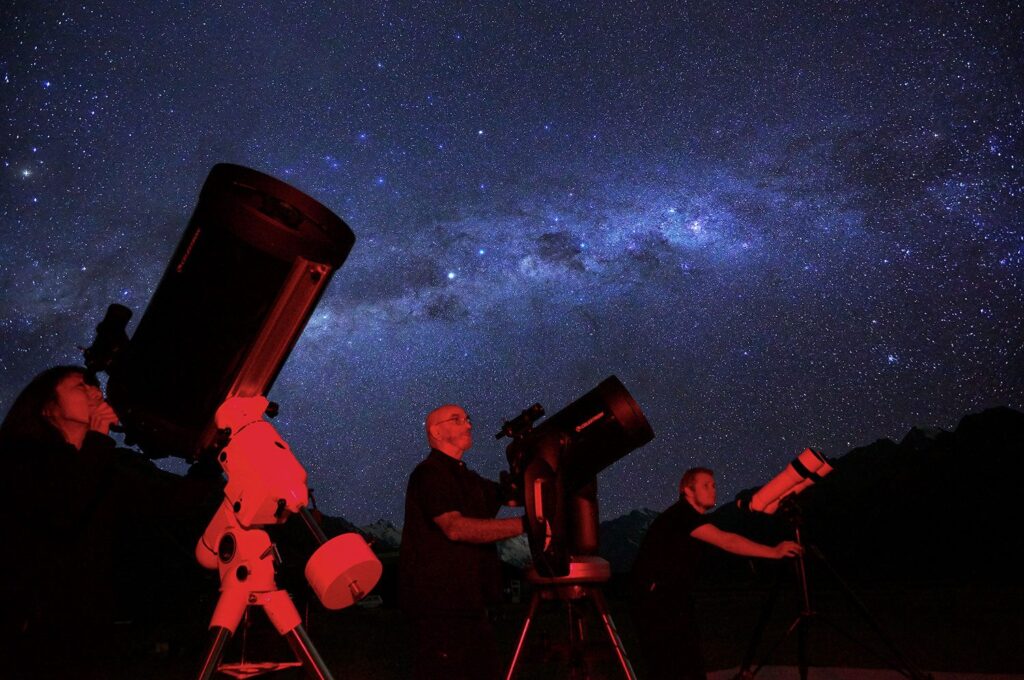
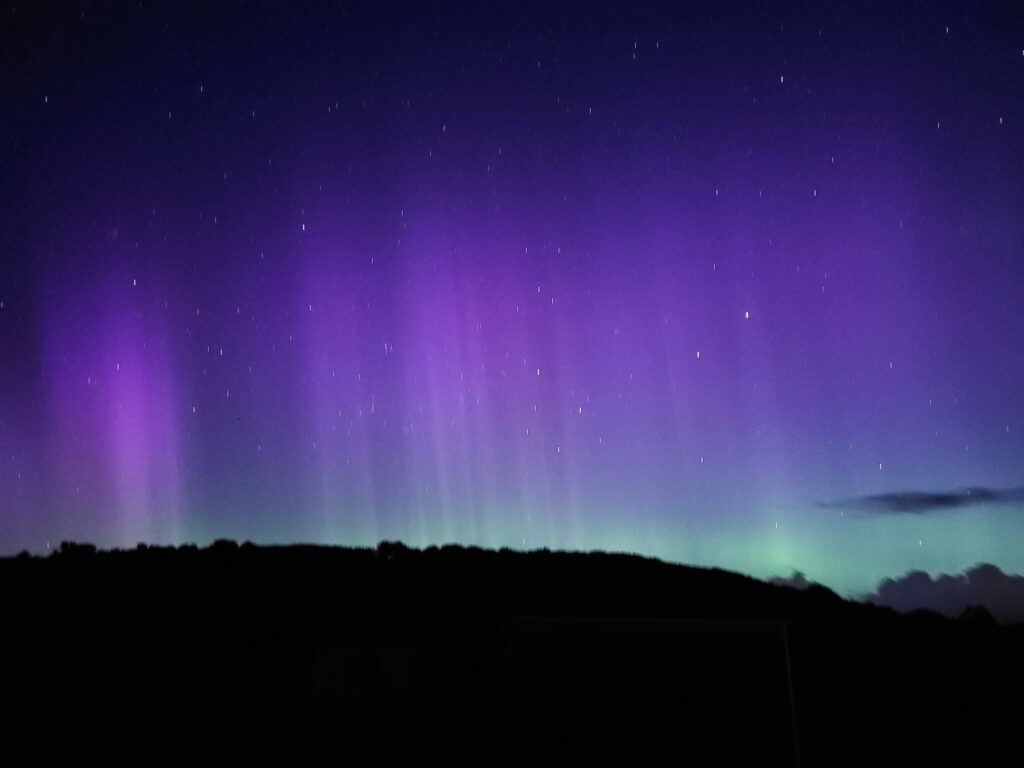


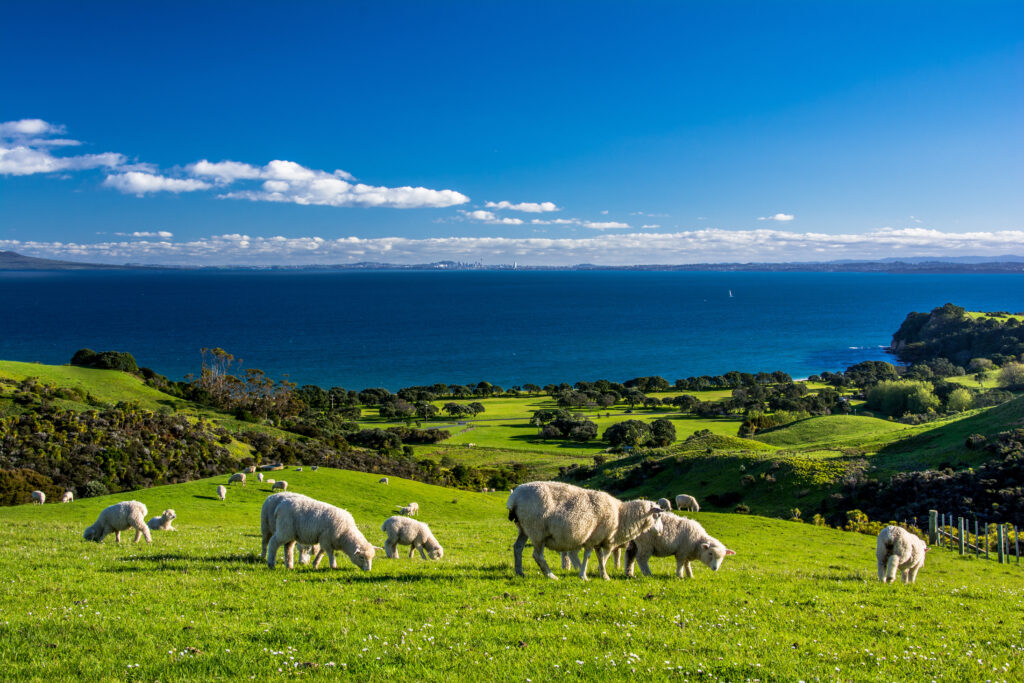

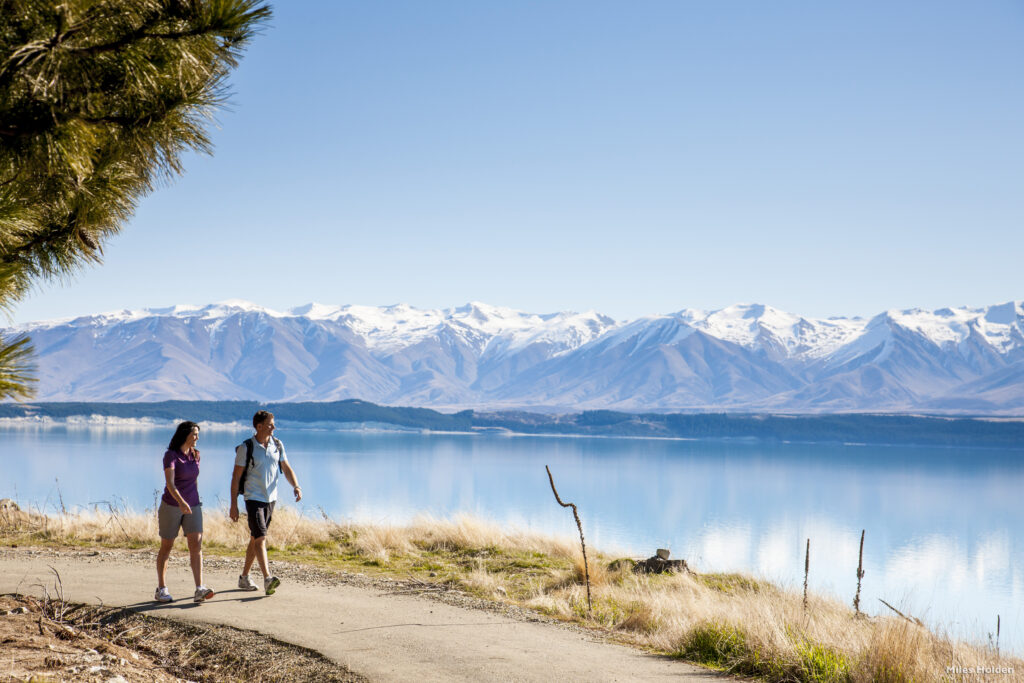

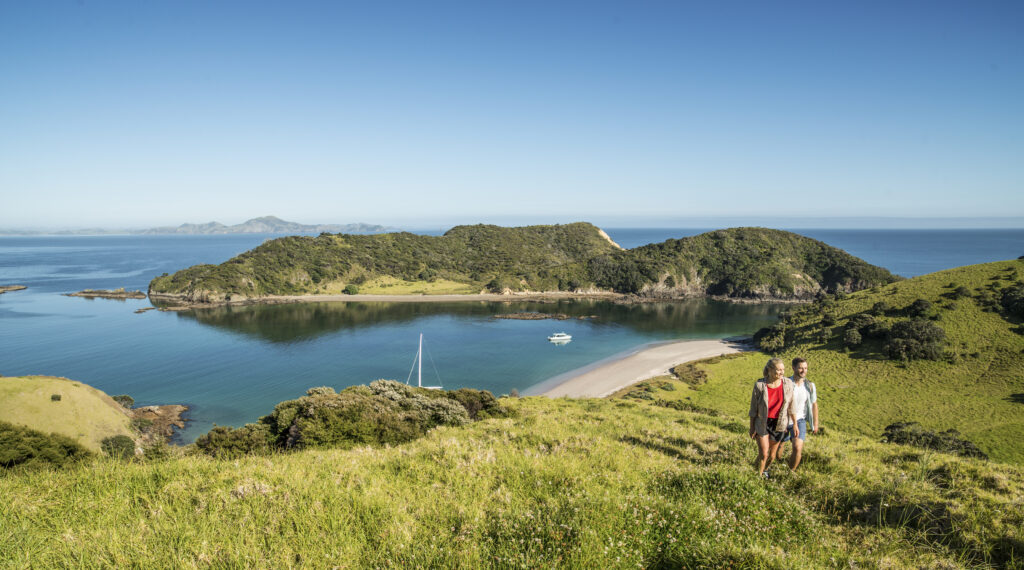


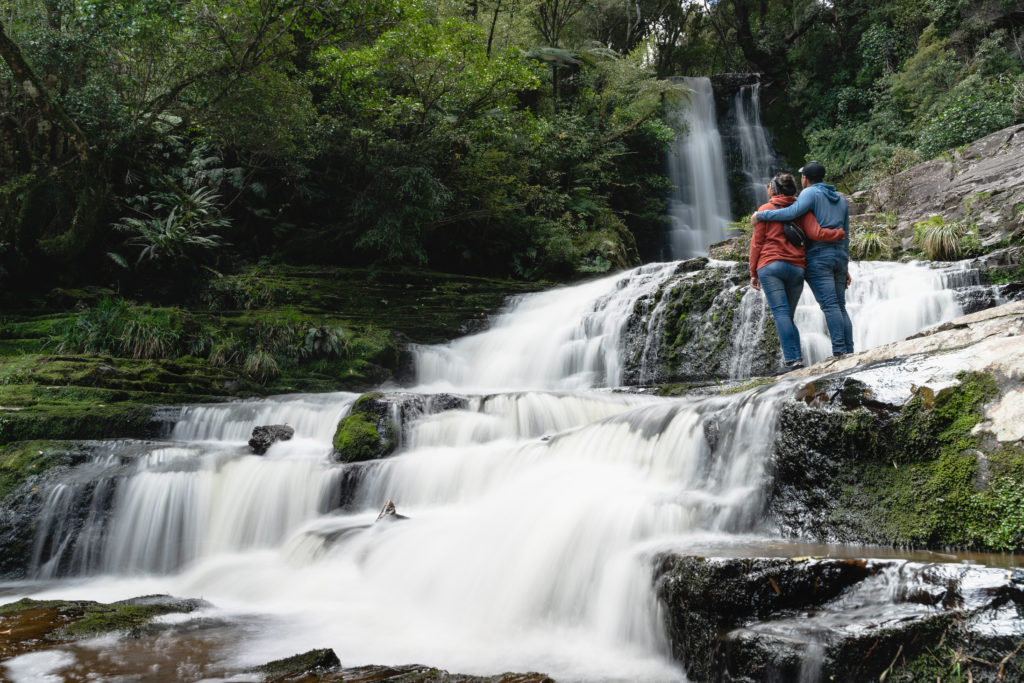

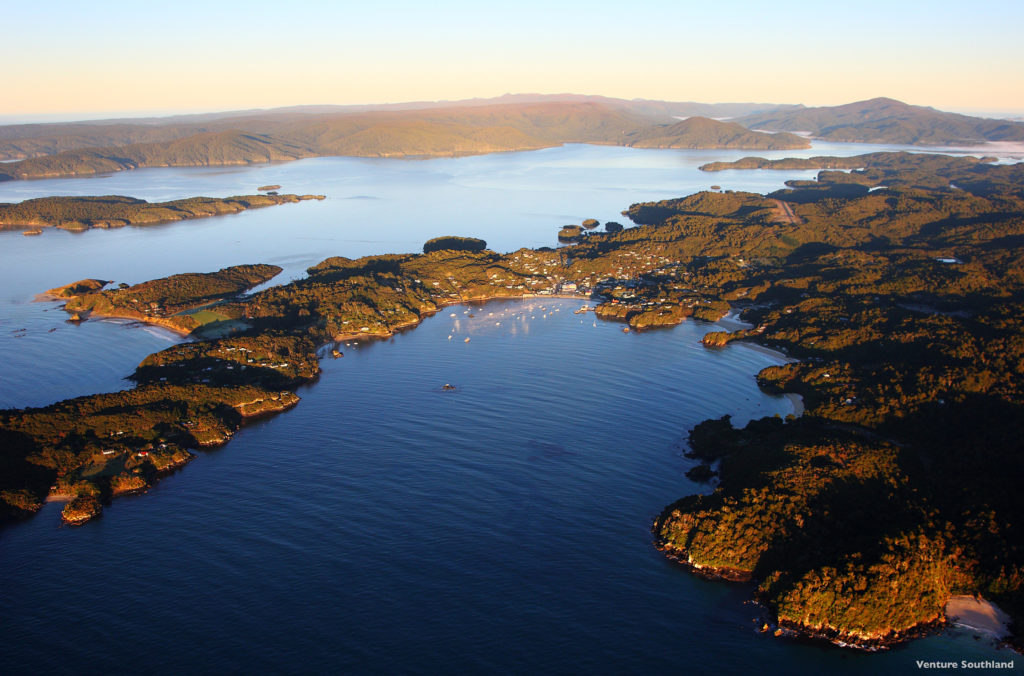


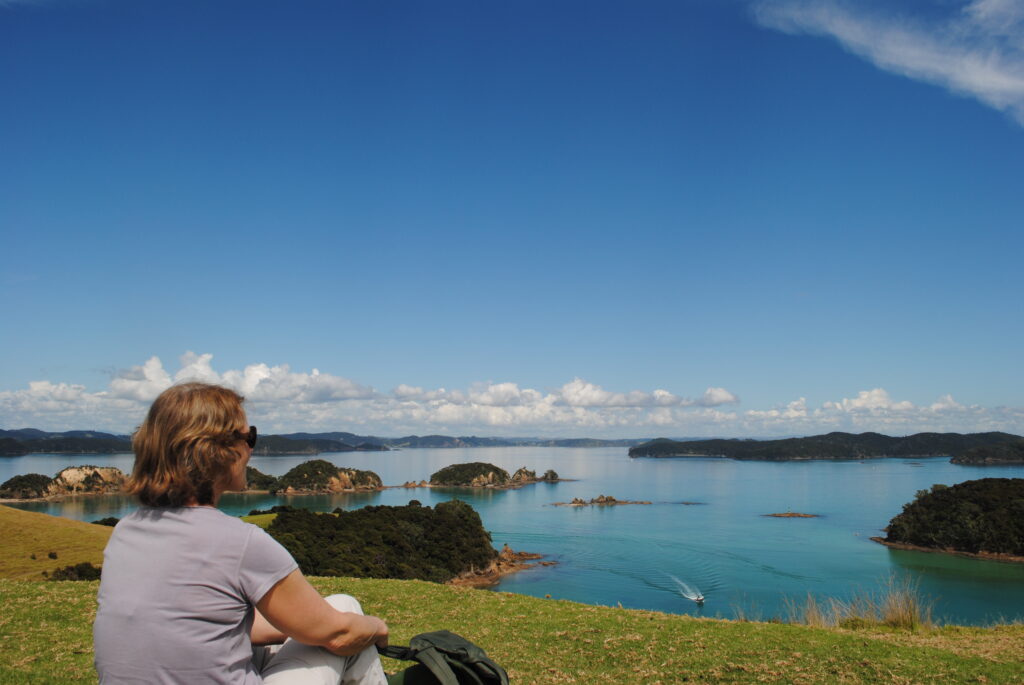

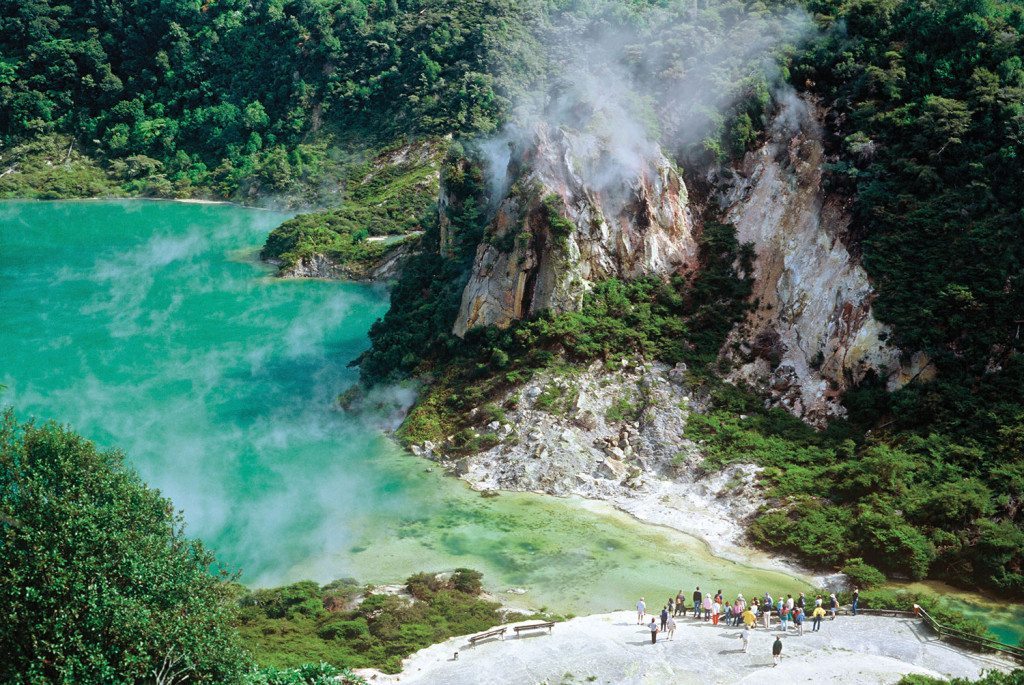


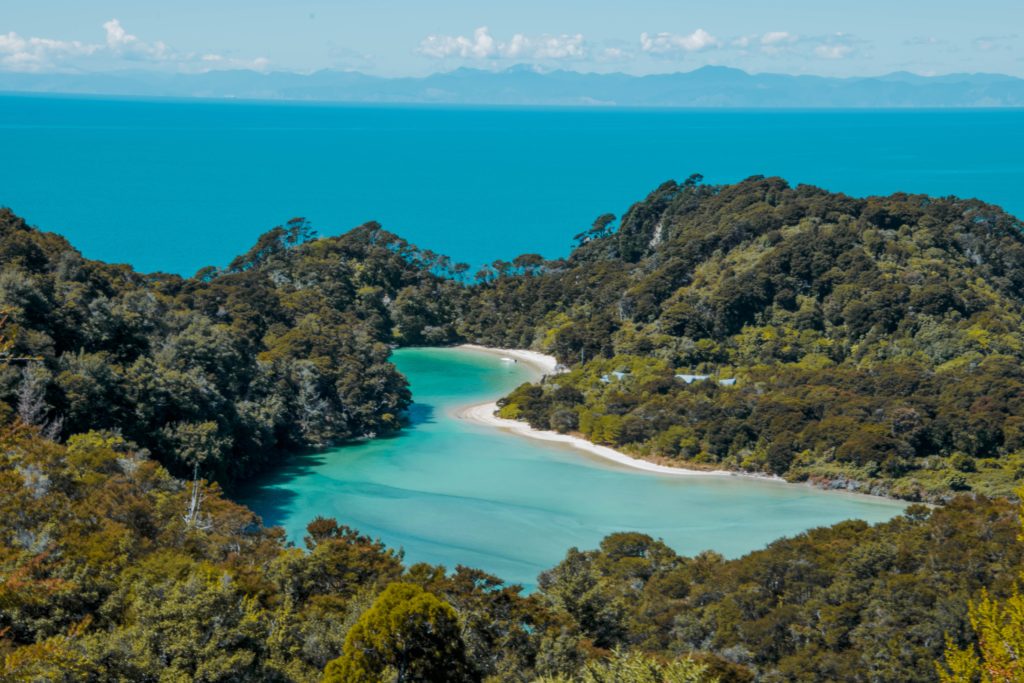

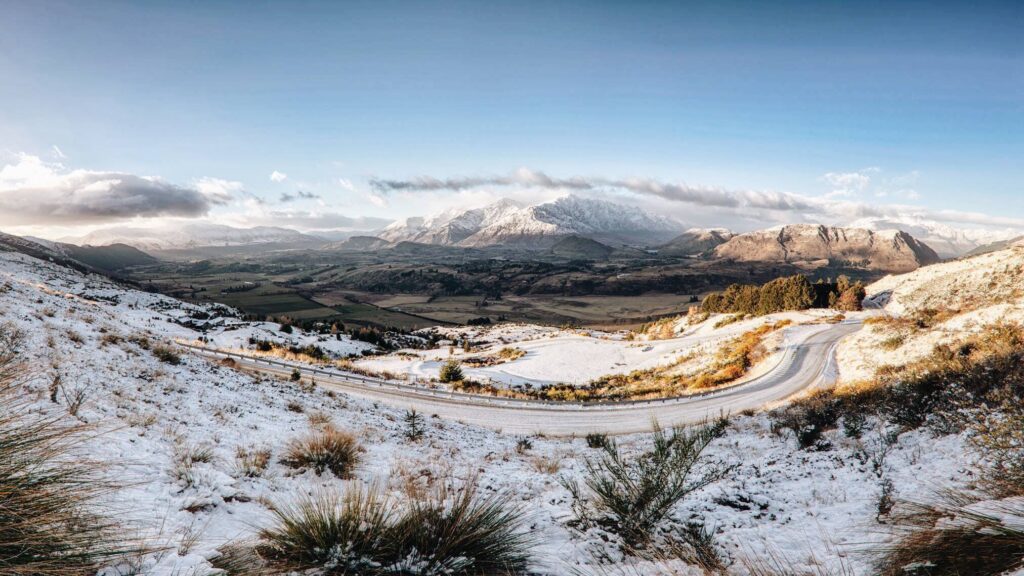 Queenstown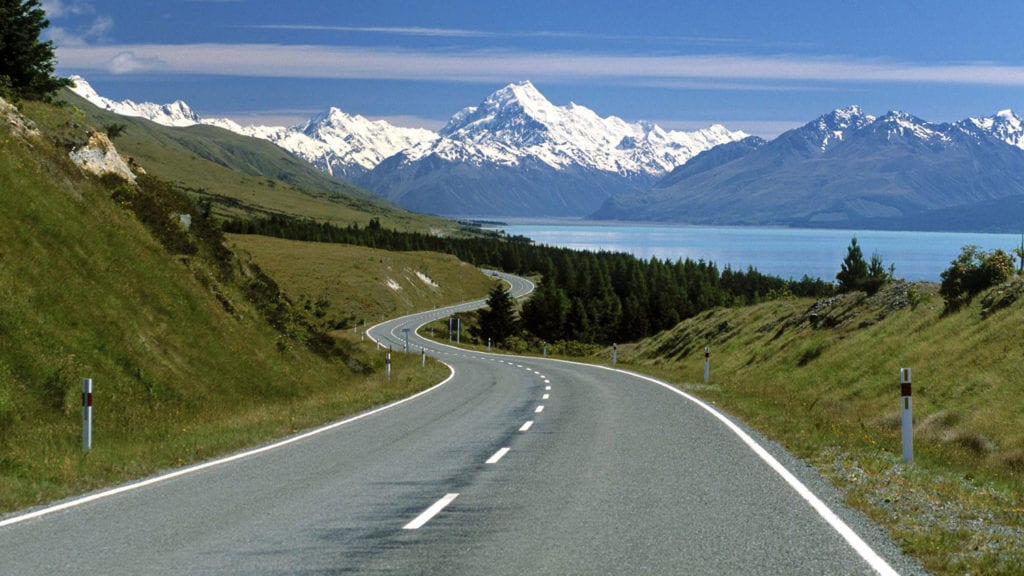


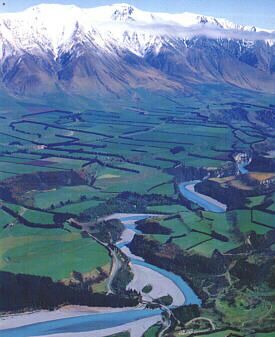

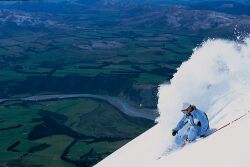

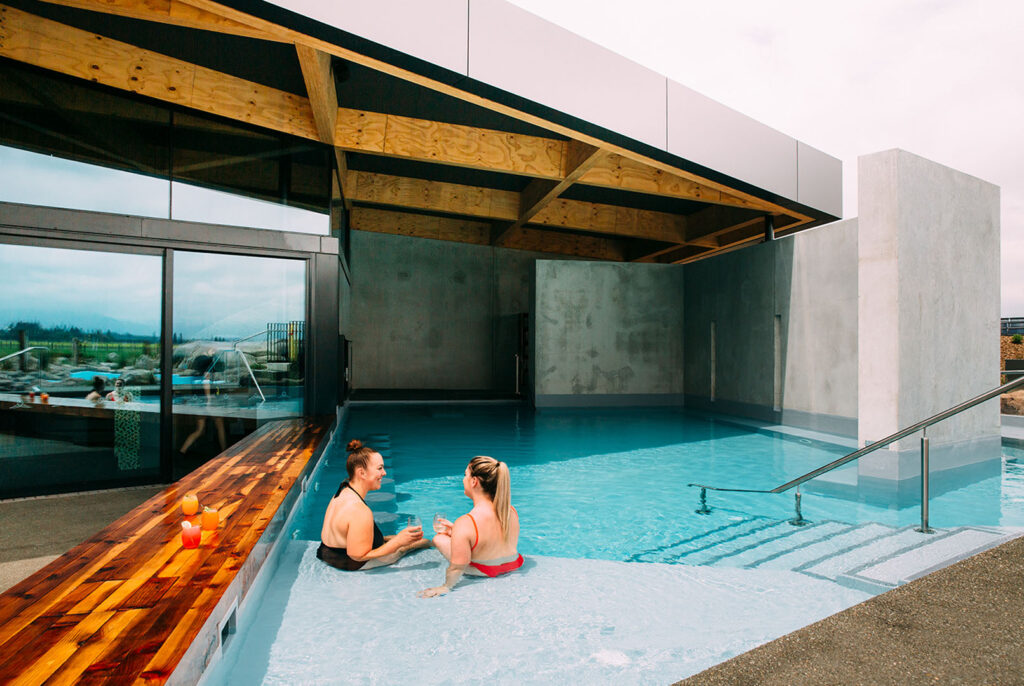

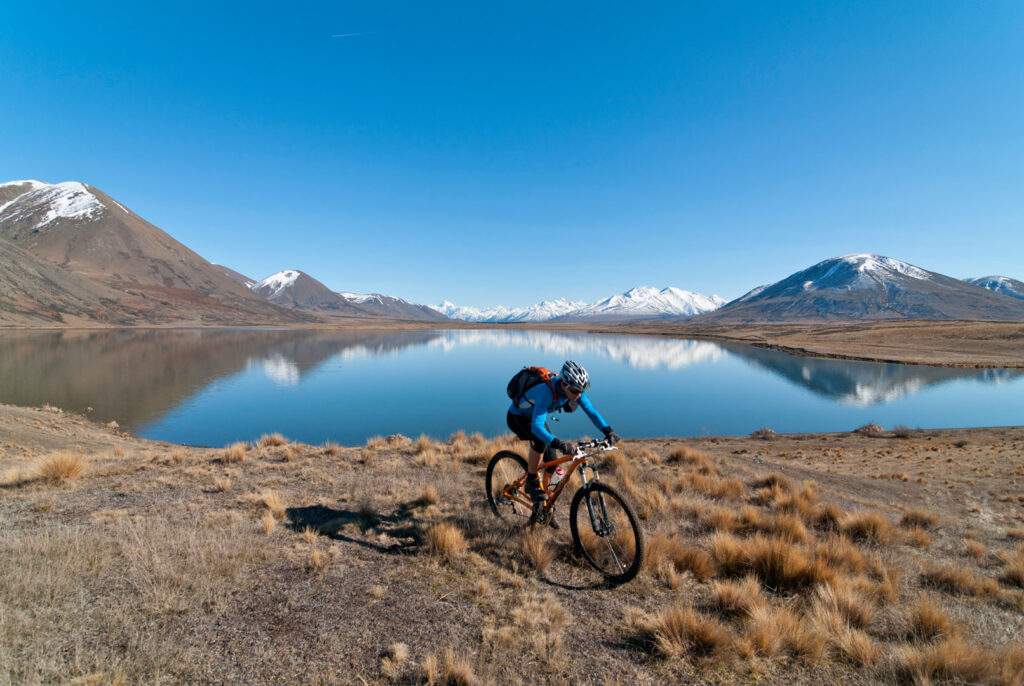


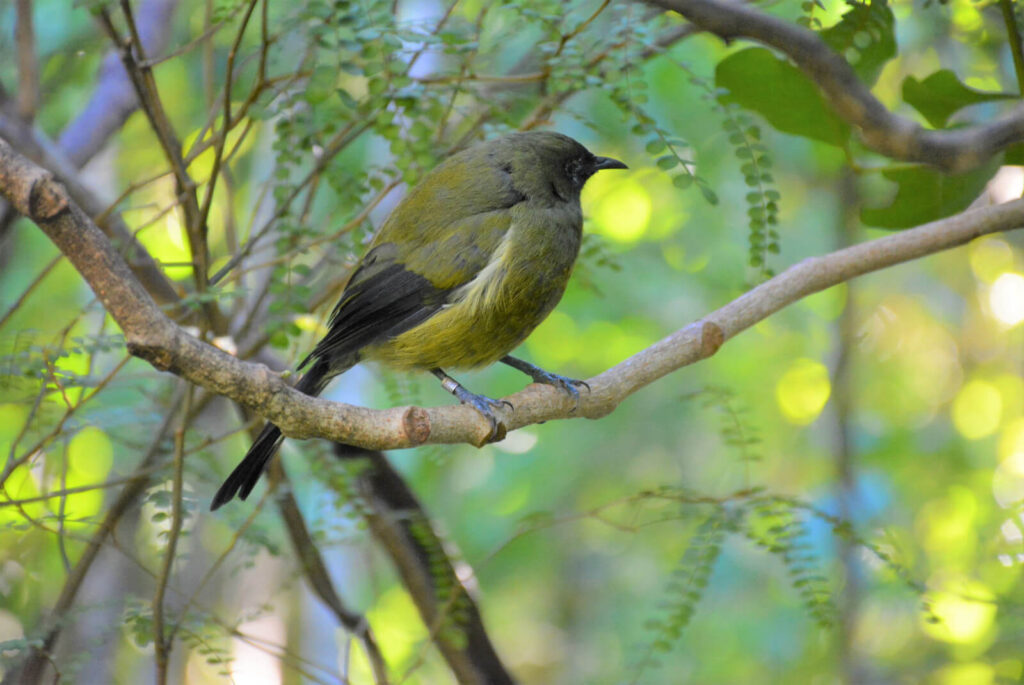


 Gold Mining
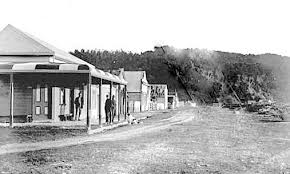 Ōkārito’s Lagoon
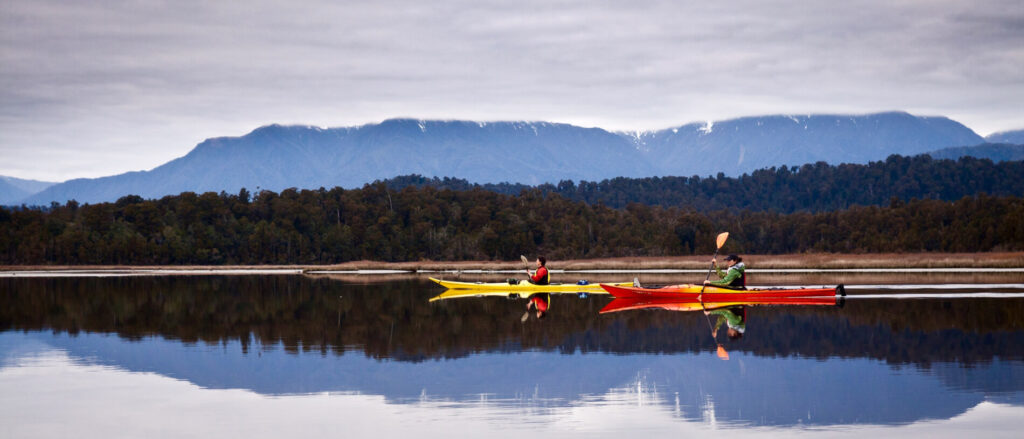


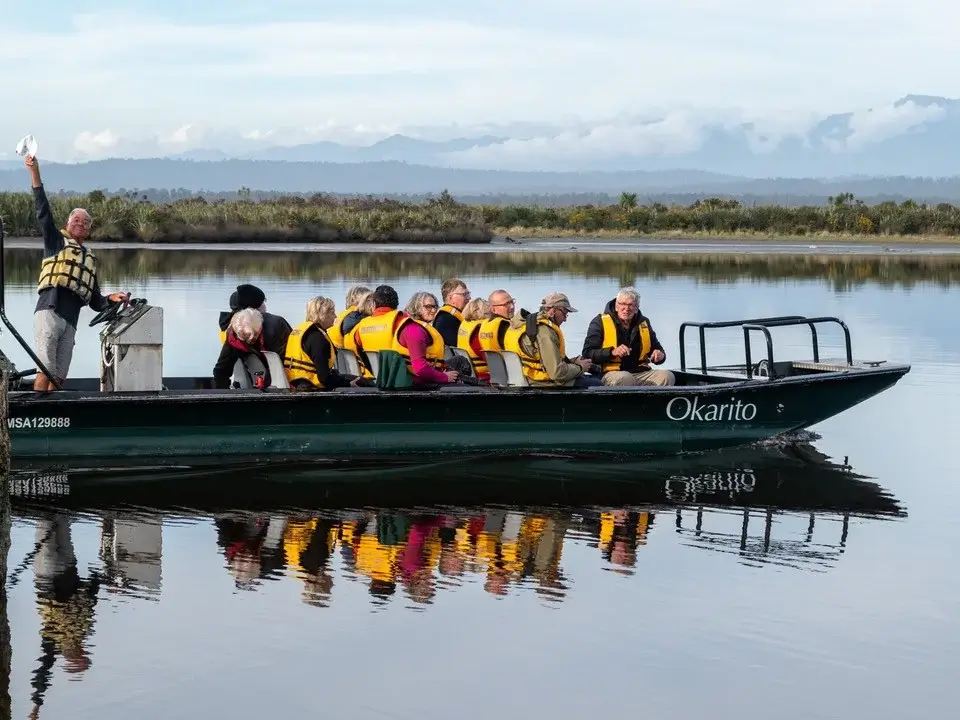 We highly recommend Paula Sheridan and Swade Finch at Ōkārito Boat Eco Tours. They are more than just guides, they are locals with decades of knowledge about the ecosystems, birdlife and the conservation of the lagoon.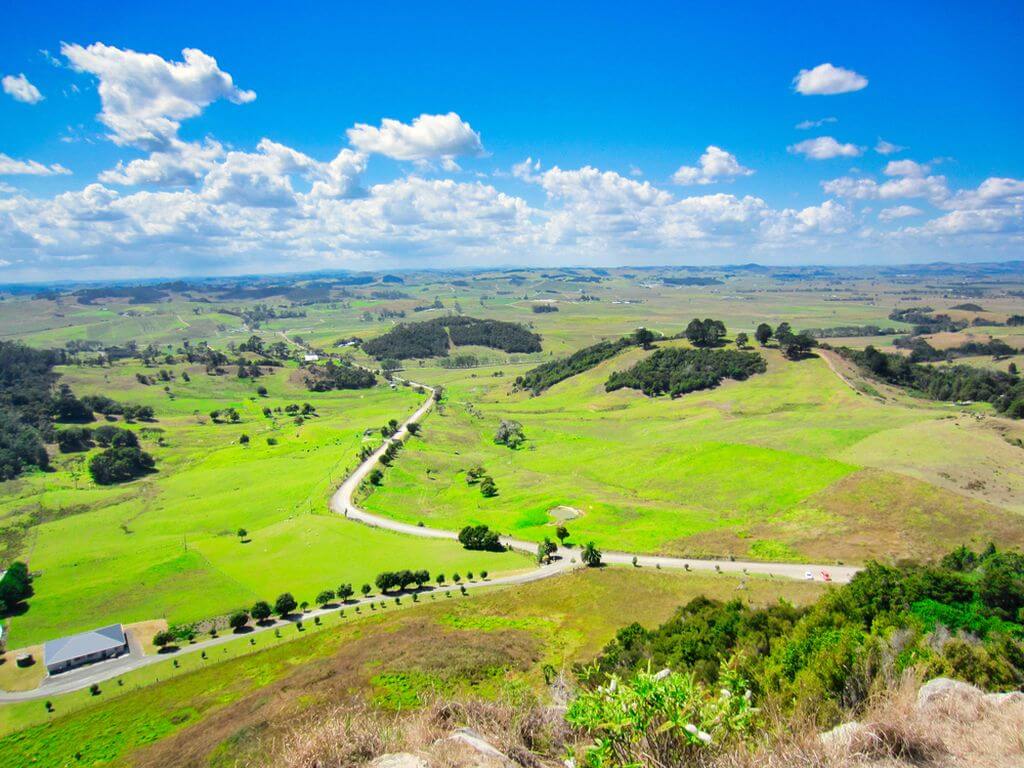

 Immigrants from Yugoslavia settled in Dargaville to work in the gum industry, a process which involved the extraction of the gum from the giant Kauri trees, which are a feature of the region. After the gum and forestry industries started to decline after 1920, farming (especially dairy) became a significant contributor to the economy. Our namesake, the Silver Fern Farms meat processing plant, is located on the fringes of the town and currently employs 300 people.

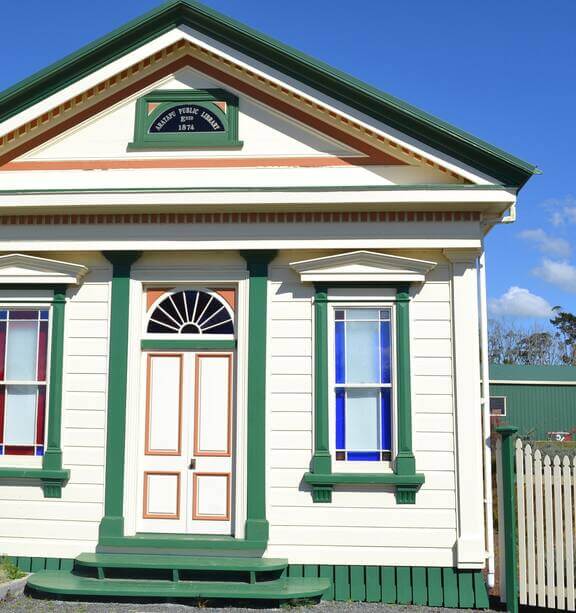 On our last visit to the town, we stopped by The Aratapu public library, built in 1874 and now part of the Dargaville museum.
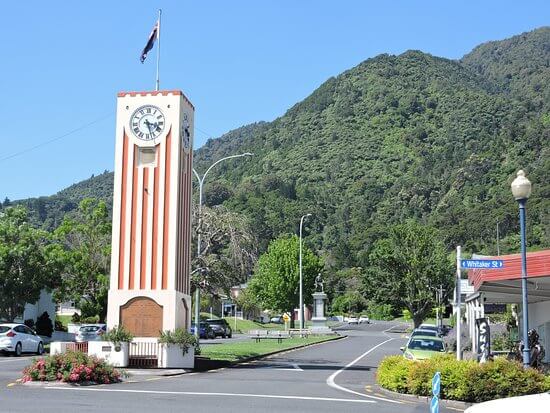 About an hour and a half from Auckland and forty-five minutes from Hamilton, you can pass through the small township of Te Aroha on your way to Hobbiton.
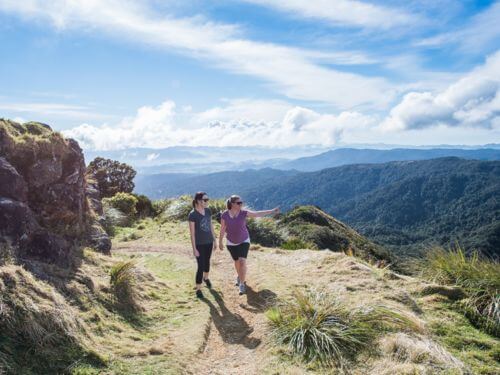 Other popular trails include those found in the Waiorongomai Valley, a significant gold mining area home to several mining relics and the Wairere Falls Walk, a short drive south-east of the township.
 Or grab a bike and ride the Te Aroha to Paeroa section of the Hauraki Rail Trail.


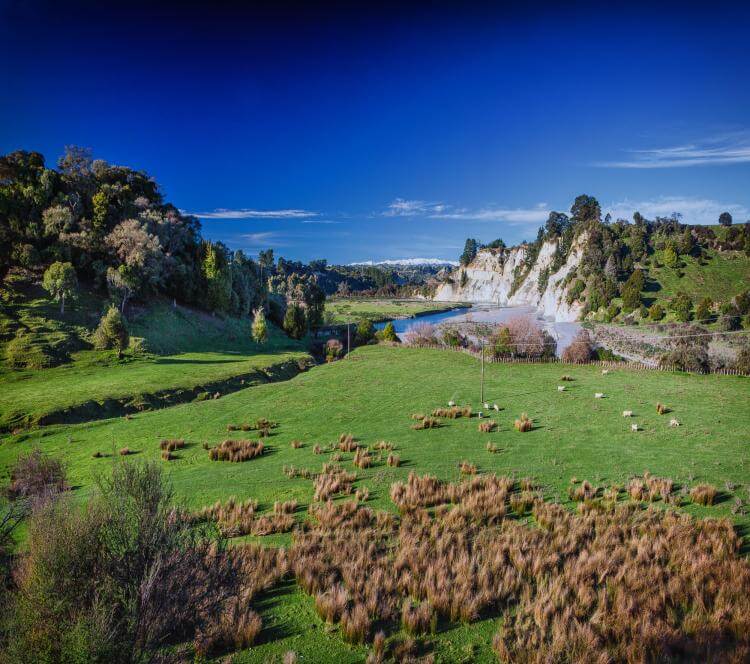 The Rangitikei is a popular leisure and recreation area for jetboating, white water rafting, kayaking and fishing, and includes public campgrounds along its banks. Part of the river was used as the Anduin River in Peter Jackson's The Lord of the Rings movies.
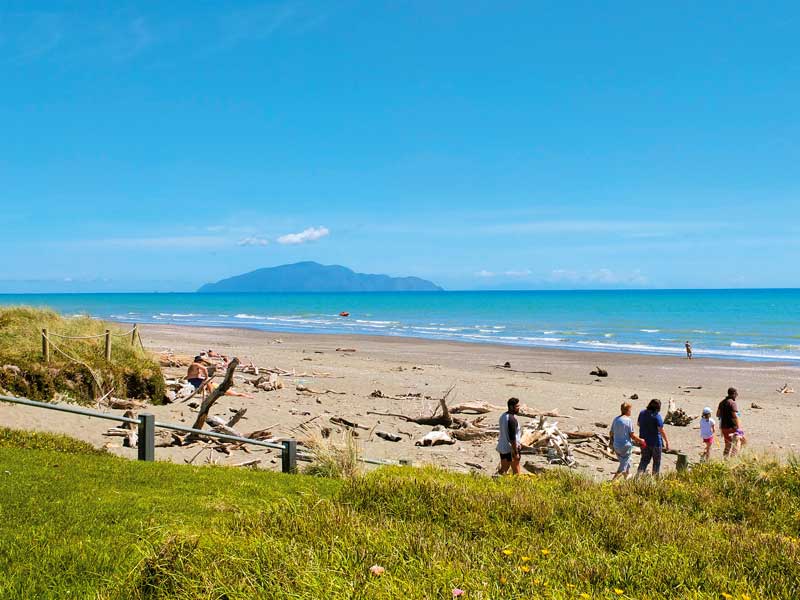 There’s a good chance you’ll just see Kapiti Island off the coast as you travel down the coast road en route to Wellington.